When you think next ‘ultimate travel destination,’ people often start planning their trip to popular tourist destinations such as Italy, Thailand, or New Zealand, etc. And for good reason, these countries are absolutely beautiful. But because of the modern conflicts affecting the Middle East, often times this region is overlooked as a potential vacation spot. But what if I told you that there is a country right in the heart of the Middle East, with its entire west coast situated on The Mediterranean Sea. One with mountains, snow, beaches, a fabulous nightlife, phenomenal cuisine, a rich and diverse culture and deep history? During the 20th and 21st centuries, Lebanon has had quite the complicated history. They experienced a 15 year civil war that tore the country apart, giving birth to a far reaching Lebanese diaspora all over the world. But once you begin to look beyond Lebanon’s complex past (and present,) you will begin to see all that this small Middle Eastern country has to offer. Hint: it’s more than you could imagine. I have been to over 30 countries, and Lebanon is by far my favorite. Come with me on this travel journey as I explain why.
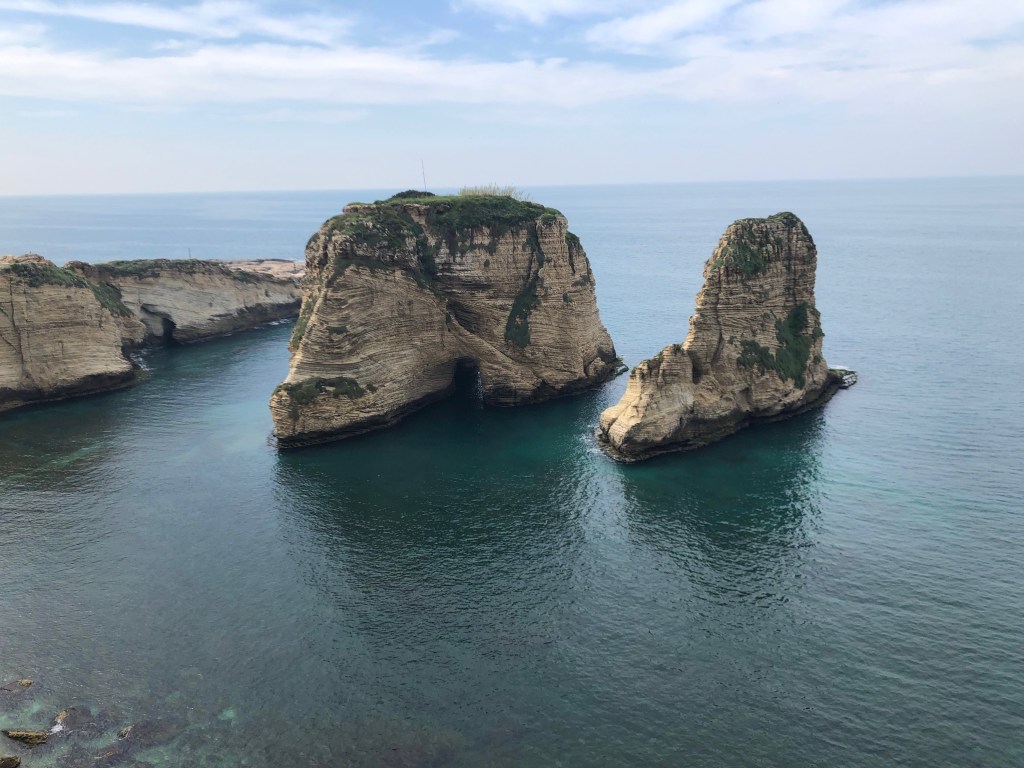
I first learned about Lebanon and began to develop the itch to visit after I took a University ‘Intro to Arabic’ course as an elective for my last semester. The way the professor described this lovely country immediately had me hooked and I spent the next 5 years day dreaming about the moment when I would finally take the leap and visit. Many people, Lebanese and non-Lebanese, told me all the time “now is not a good time to visit” or “why would you go there, it isn’t safe.” But my fate was sealed when one day I was pursing Skyscanner (as one does,) and I came across a non-stop flight from Athens to Beirut for $60. I was already set to be in Athens at the time, and didn’t know where I would jet off to next. So as a spur of the moment decision, I booked a one way flight to Beirut, Lebanon. I was a solo female traveler at this point and didn’t have anything planned, but nevertheless, I was so excited to finally get to see this intriguing and mysterious country for myself. I began researching things to do, places to stay, and started to become quite excited. My initial trip was one week long, but I loved it so much that 4 months later I went again for another week. This post will cover a mix of both trips, timelines, itinerary ideas, activities, and helpful tips to navigate and explore beautiful Lebanon.
Culture of Lebanon
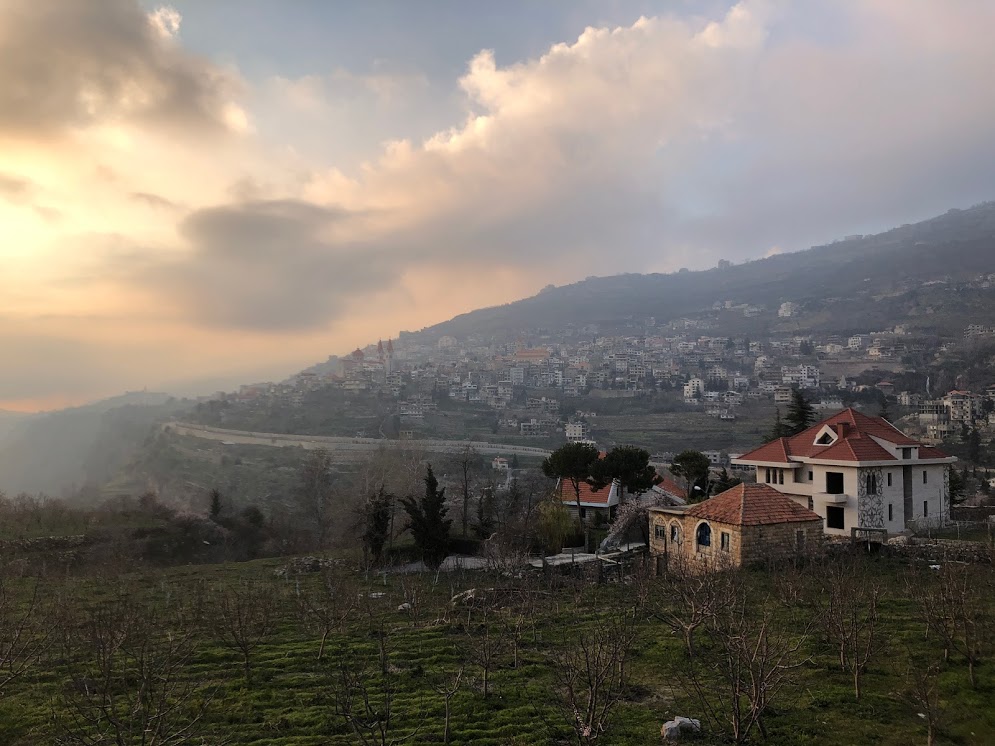
Lebanon is arguably one of the most unique countries in the world. They have a deep, rich and complex history, dating back to the ancient Phoenicians. Over the past several centuries, the area that is considered modern day Lebanon has been controlled and influenced by the Romans, the Ottoman Empire, and the French, just to name a few. In Lebanon, there are 18 recognized religions, making it one of the most religiously diverse countries in not only the Middle East, but the world. The language spoken in Lebanon is the Lebanese dialect of Arabic, although French and English are widely spoken as well, and many Lebanese people are bi or trilingual. A common greeting in Lebanon is “Hi, kifak, ca va?” which combines English, Arabic and French and is a great example of the multiculturalism in the country. Although Lebanon is still considered conservative compared to other countries in the world, it is considered probably the most liberal and progressive countries in the Middle East. They have not yet been able to pull off their first Pride Festival, but I heard from a lot of young Lebanese people that the LGBT community and movement is growing inside Lebanon. There is a saying that Lebanese people “party like there is no tomorrow,” and that is genuinely true! Because of the complicated history of Lebanon, and the country being in and out of conflict, clashes with Israel, civil war and splintered religious and political groups, Lebanese people often don’t know what tomorrow will hold for them. They make each day count, and they ‘party like there is no tomorrow,’ because for all they know, that may actually be the case!
Although Lebanon is a very beautiful country, their wars, issues, and politics have brought about a lot of economic uncertainty. Young Lebanese people struggle to find well paying jobs, even if they have a university degree. The currency is deflated, and there is intense religious splintering and conflict throughout the country. In 2019, Lebanon went into months of protests that united people across the nation. The people were calling for an end to corruption from their leaders, better economic opportunity, gender equality, public transportation options, and reliable electricity, amongst other important and pressing issues.
Safety
The number one concern I get from most people when I tell them that I’ve traveled to Lebanon twice, is of course, safety. You hear about Hizbollah in the news, the Syrian civil war and the refugee crisis, and the overall conflict of the greater Middle East. But is Lebanon actually dangerous? The US State Department categorizes countries into 4 levels: Level 1, exercise normal precaution. Level 2, exercise increased precaution. Level 3, reconsider travel. Level 4, do not travel. They currently have Lebanon as a Level 3, reconsider travel. With that being said, while I do believe you should take these ratings into consideration while traveling, you should also take them with a grain of salt, as they are often dictated by politics and geopolitical relationships rather than the reality of on-the-ground safety concerns. While the security situation in Lebanon is complex and ever changing, I feel confident in saying that as a tourist, you are more than safe to explore the country. As with any country, you should be aware of your surroundings, avoiding potentially dangerous situations, and keeping friends and family updated on your whereabouts. I never once felt in danger the entire time I was in the country. I walked alone at night in Beirut, met up with locals (men and women,) and was, in general, a solo female traveler in the country.
Getting There
Visas
First and foremost, I highly encourage everyone hoping to travel to Lebanon to do your own research on your government’s official website. Information is subject to change at anytime. I am an United States passport holder, and at the time of this publication, Americans can obtain a 30 day free visa on arrival. The airport officials will ask you for your accommodation information including address and phone number. This website is not an official government site so I still encourage travelers to do your own research, but it outlines which countries are able to obtain a visa on arrival. You should be able to extend a tourist visa up to 3 months in Lebanon, but you must take your passport to the General Directorate of General Security office in Beirut before the first month expires. Something very important to note regarding entry to Lebanon: Lebanon and Israel are enemies and Lebanon does not recognize Israel as a legitimate country. As a result: if you have been to Israel and have any stamps in your passport indicating you’ve been to Israel, you will be denied entry into Lebanon. If you are asked if you’ve been to Israel in customs and you answer yes, you will be denied entry to Lebanon.
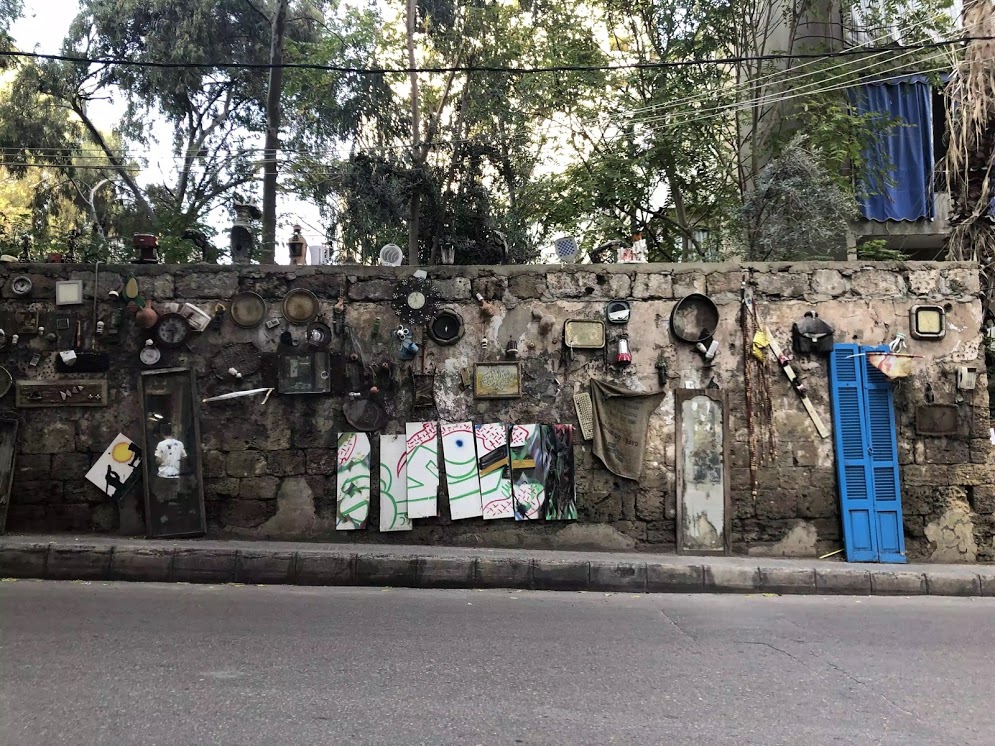
Arrival at Beirut Rafic Hariri International Airport and Transportation
I flew into Beirut Rafic Hariri International Airport (please note that this is the only public airport in the whole country of Lebanon.) I arrived direct from Athens on a late night flight, landing at around 1 AM. Finding reasonably priced flights to Beirut should not be difficult, as there are daily nonstop flights from all over Europe, the Middle East, and parts of Africa. See HERE for a list of direct flight destinations to Beirut, or check Skyscanner or Expedia.
Transportation from Beirut Airport into Beirut City Centre
Something to note is that Beirut does not have an official public transportation system from the airport, so your main option of transportation is via taxi. There are unofficial vans that are quite inexpensive, however there are no proper stops or timetable, so they need to be flagged down. Unless you are quite the adventurous and experienced traveler, it is recommended that tourists take a taxi. Because I was arriving so late at night, I had a taxi prearranged through my hostel so that when I exited customs, the driver was standing with a sign with my name on it and took me straight to the hostel, who then paid him directly. He even stopped at an ATM we saw on the way so I could withdraw money because I needed to pay cash on arrival for my hostel. The cost for this taxi was roughly $20 USD. Because taxis are generally the only way to get to and from the airport, expect costs to range anywhere from $20-25 USD.
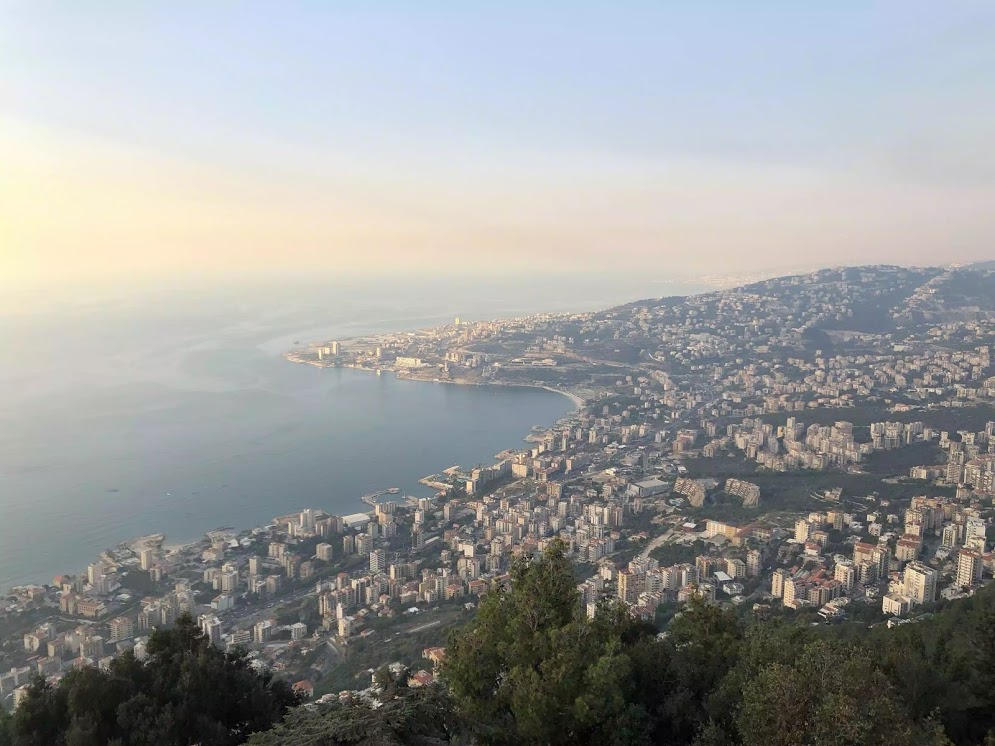
Currency
In Lebanon, the local currency is called the Lebanese Lira (LL). One US dollar is equal to roughly 1,500 LL. You can easily withdraw Lebanese Lira at ATMs at the airport or in town, or exchange at the airport or a money exchange. Important note: US Dollars are widely accepted in Lebanon, and many people prefer to use them as the Lira in recent years has been over inflated. My personal experience was that if I paid for something using USD, they were almost always accepted but I would receive my change back in Lebanese Lira. I would recommend using the Lira but if you are in a pickle, USD work fine. Most major credit cards are accepted in large establishments in the cities, but I would suggest it is a good idea to always have some cash on you for smaller or more local purchases.
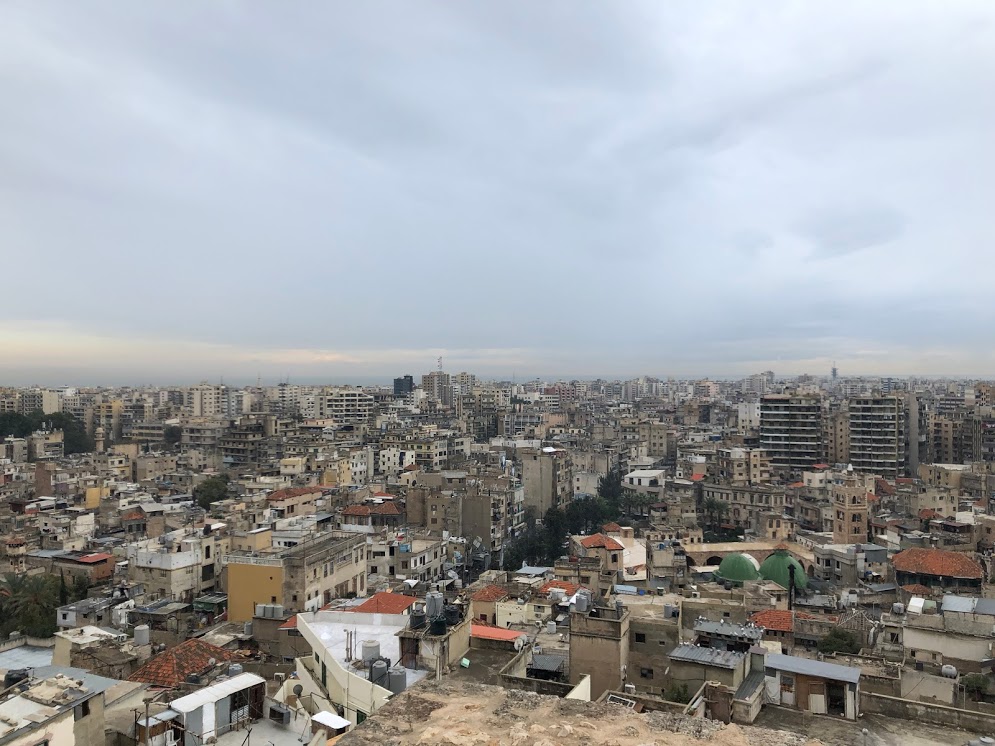
Prices/Cost
From my experience, Lebanon, and especially Beirut, are not necessarily cheap backpacker budget destinations. I don’t know the exact amount that I spent in Lebanon for a week, but including flights, hostels, and tours, it was roughly $500-600 USD (not including food, drinks and souvenirs.) I’m certain that you could spend far less than that if you tried, but I wanted to get the most out of my week and so I am very happy with the tours that I chose.
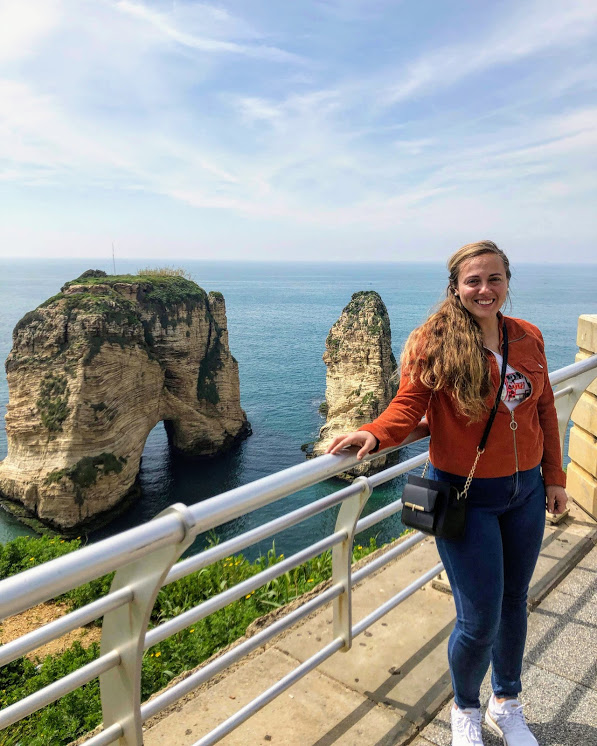
Accommodations
Lebanon is a small country, so the most common way of exploring is to base yourself in Beirut and take day trips from there. Depending on your travel style, Beirut has many different accommodation options. I personally travel solo often, and so staying in a hostel is my accommodation of choice. I stayed at Hamra Urban Gardens for roughly $20 USD per night. I highly recommend this hostel. It is very clean, they offer breakfast, and it is conveniently located in the hip neighborhood of Hamra. I was able to meet many other travelers at this hostel so it is a great place to meet friends or travel companions. Other hostels that I have heard are nice were Hostel Beirut, Saifi Urban Gardens, and the Grand Meshmosh Hotel.
If you are more into more luxury private room hotels, The InterContinental Phoenicia Beirut comes highly rated, although with a steep nightly rate. A more midrange price hotel is Crowne Plaza Hotel Beirut, or Beverly Hotel Beirut. Although I have not personally tried it for the homestay component, Beirut has quite a decent sized Couchsurfing community so if you are looking to travel on a shoestring budget or to meet locals, download the app and check it out!
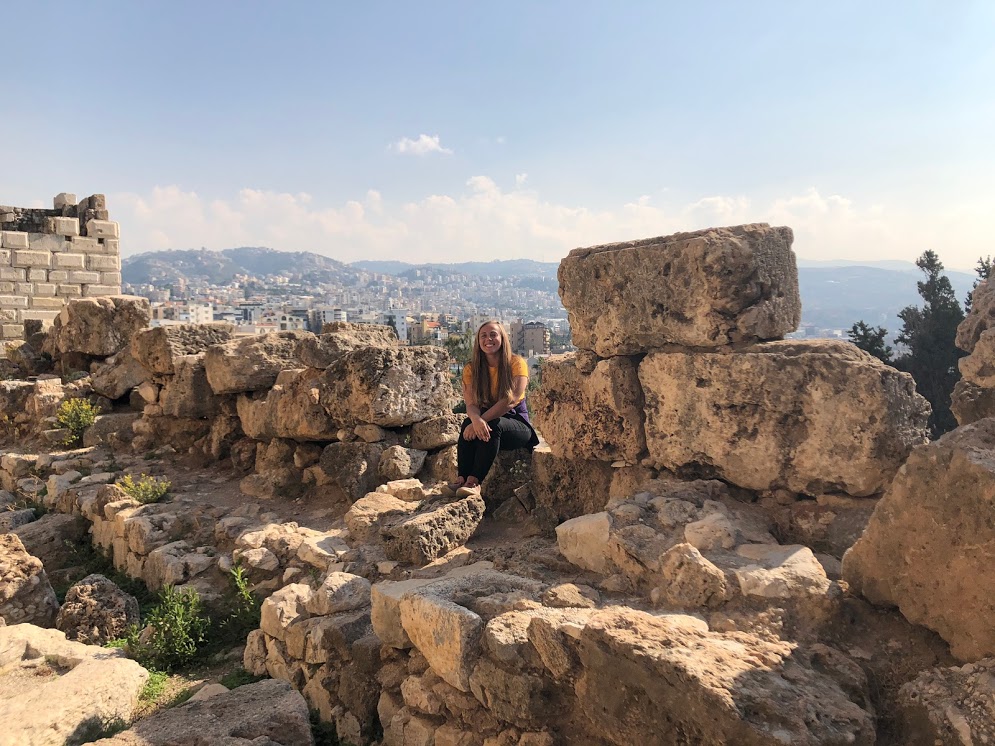
Transportation Around Lebanon
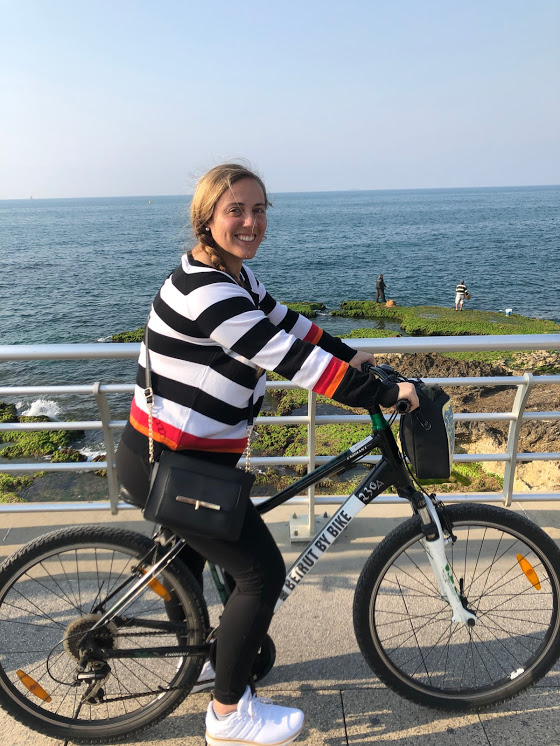
As previously mentioned, Lebanon’s public transportation system is nearly nonexistent. There are shared vans that go around Beirut, as well as outside Beirut, but as there are no official routes or schedules, it is often times difficult to navigate as a non-local. Because cars are the main way to travel in the country, traffic in Beirut can get pretty hectic. While I was in Lebanon, I used Uber often, as it is a safe and fairly reasonable priced option of getting around. I made a few local friends as well who would drive me around in their car, and I took a few day tours which provided transportation (mainly buses.) If you are up for a bit of exercise, walking is another great way to get around and see the city. I even rented a bike for a few hours and rode along the Corniche. Although cars rule, don’t let the lack of public transportation deter you from visiting Lebanon!
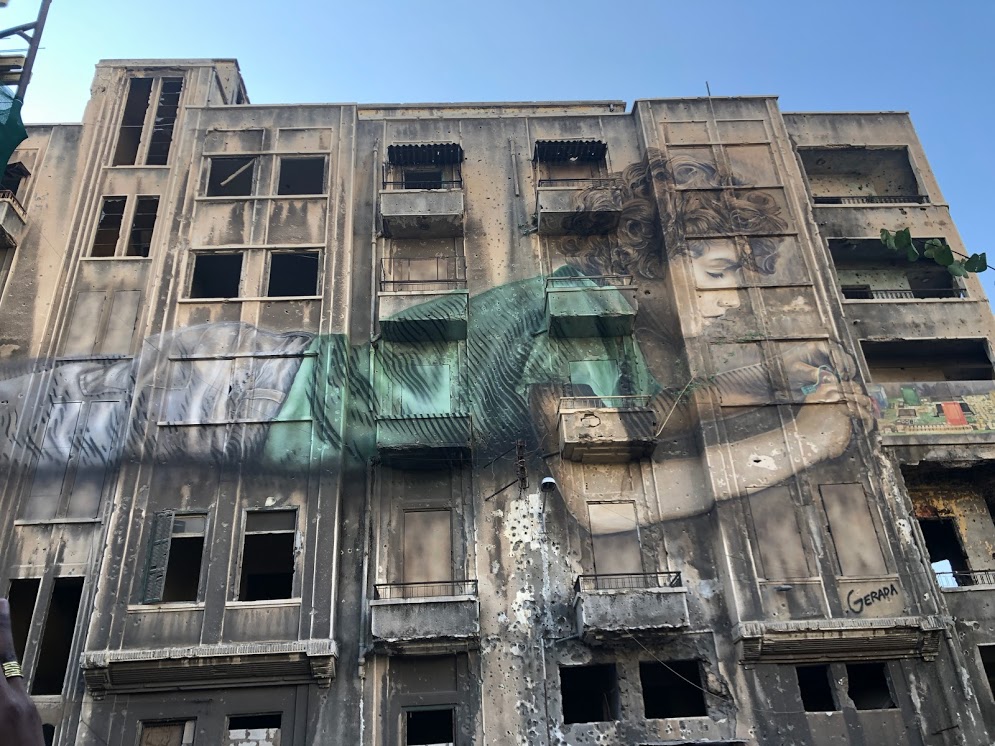
Cuisine
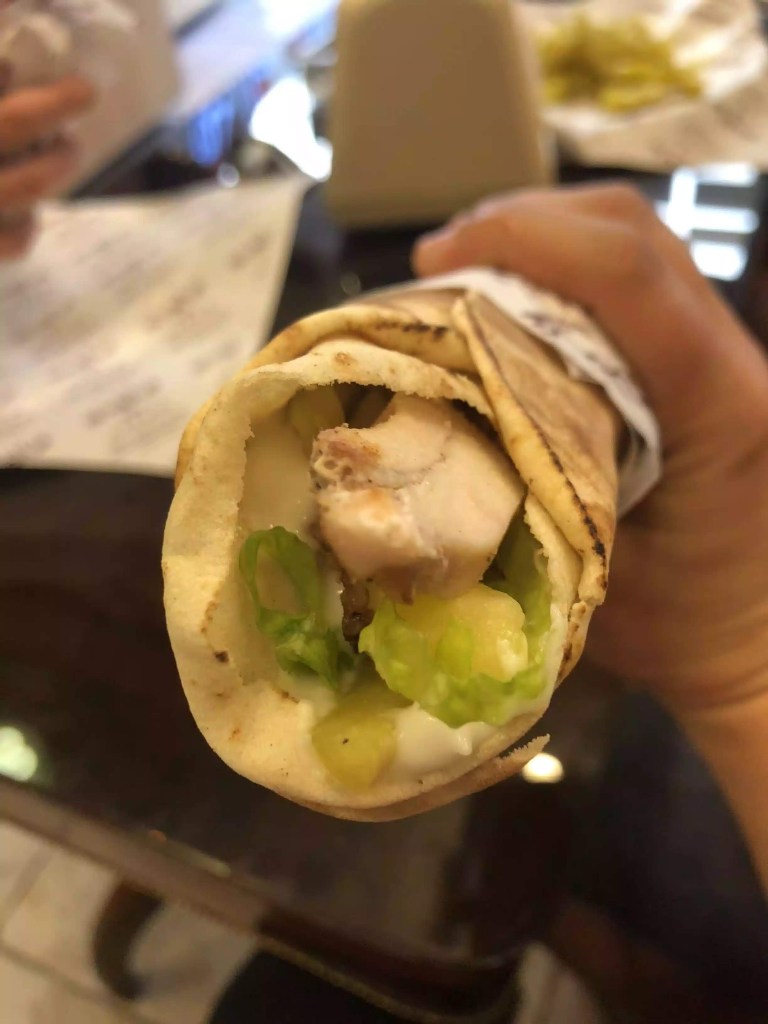
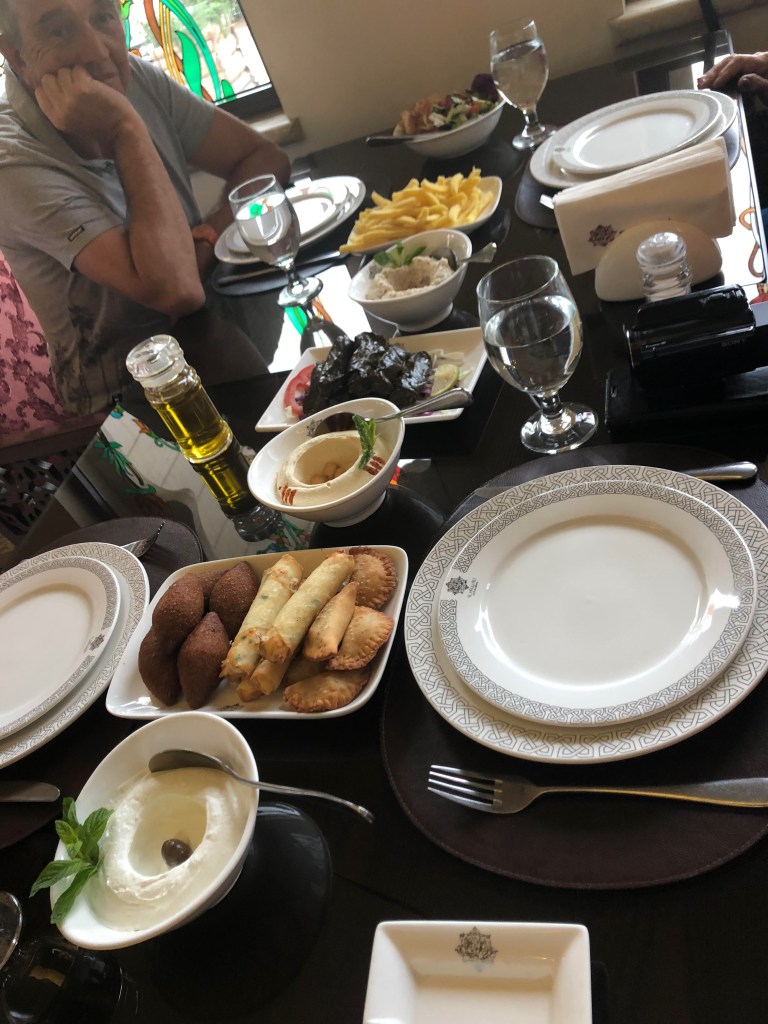
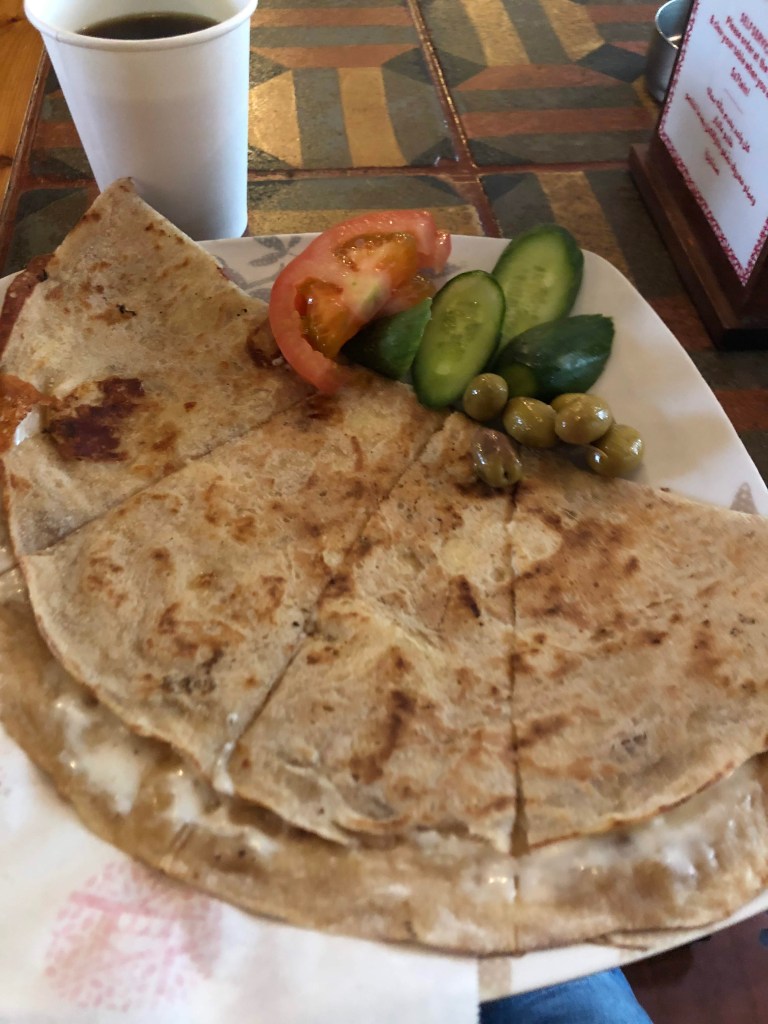
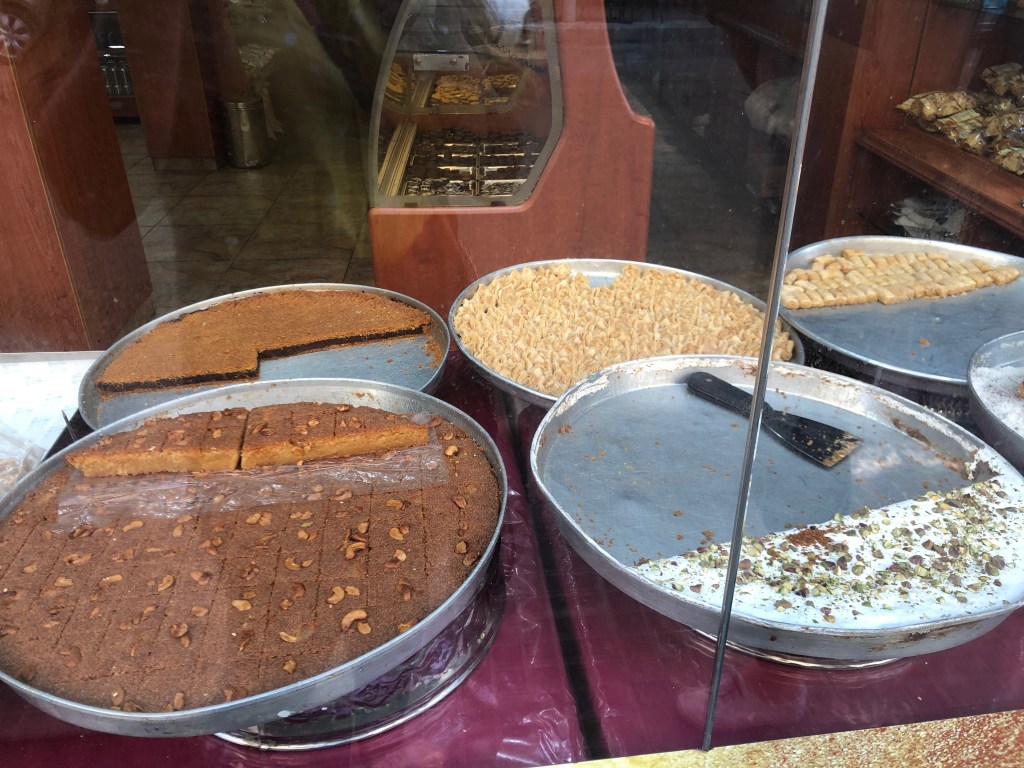
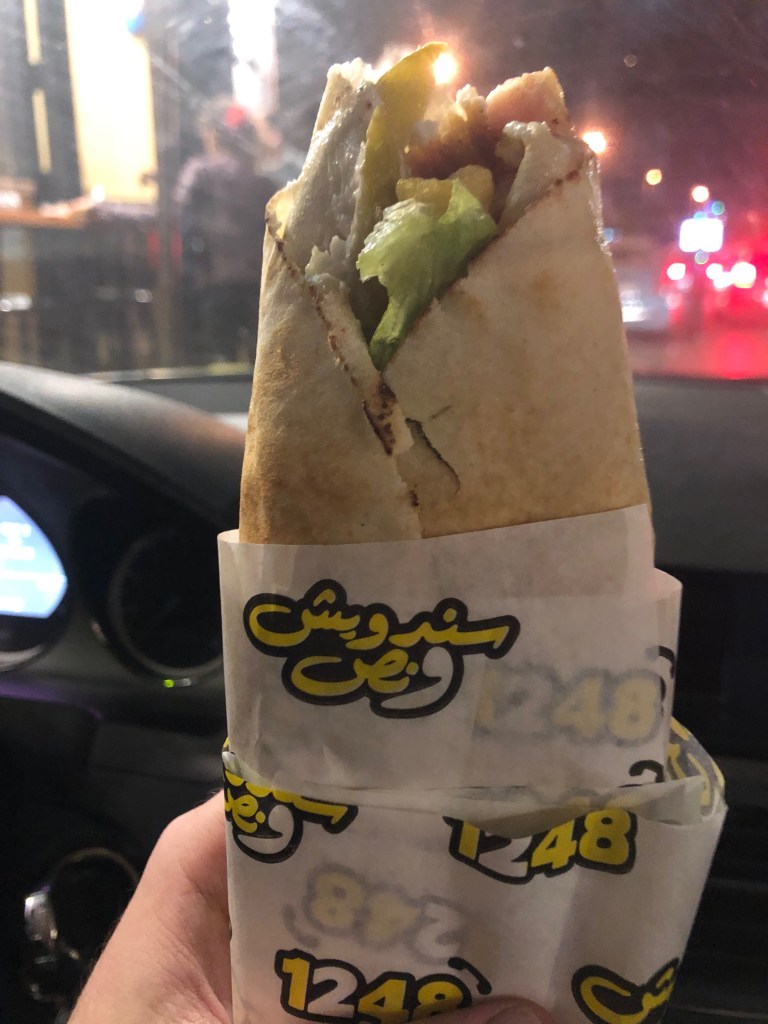
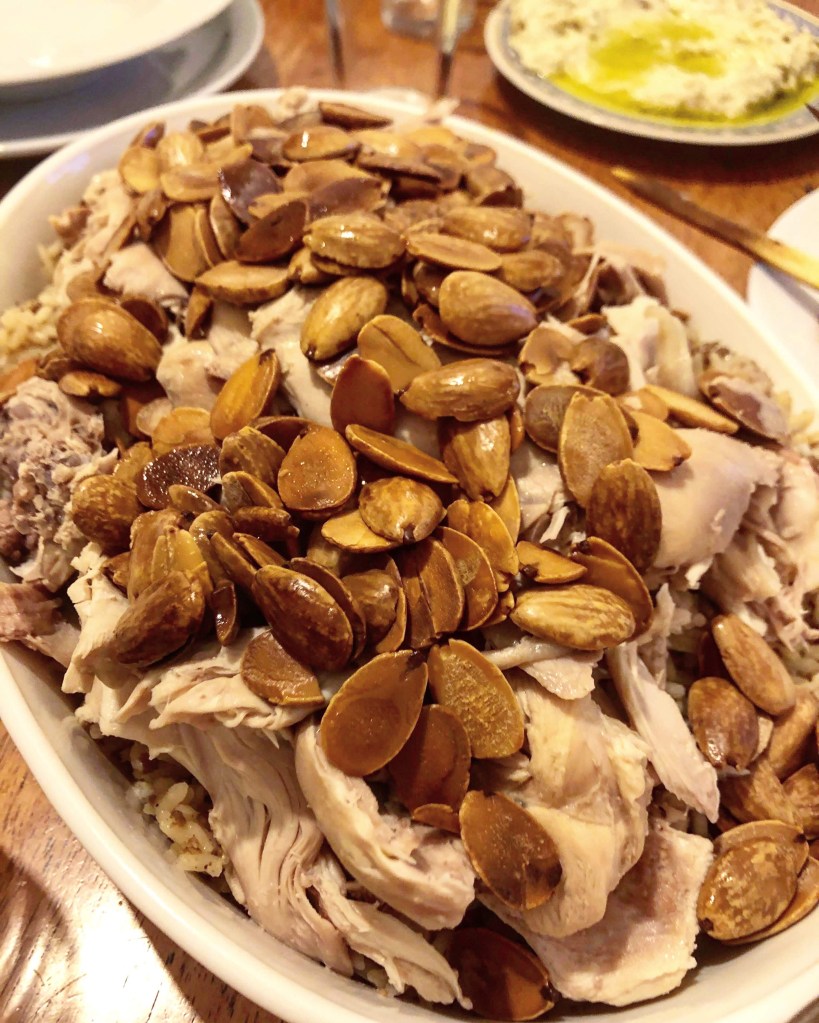
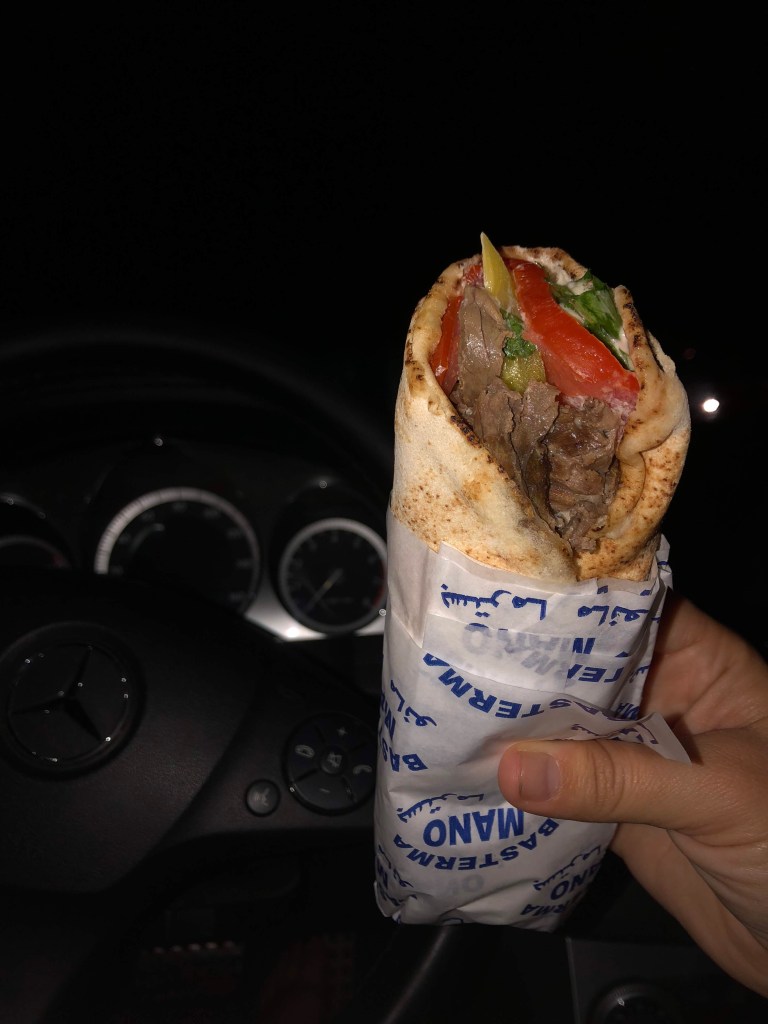
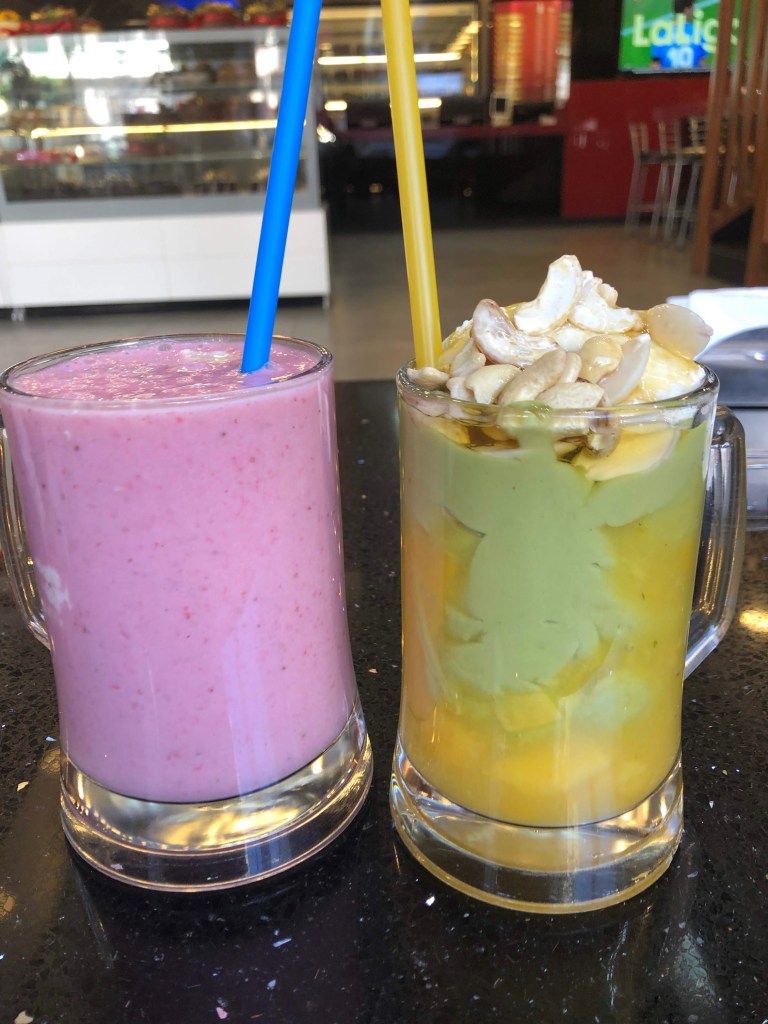
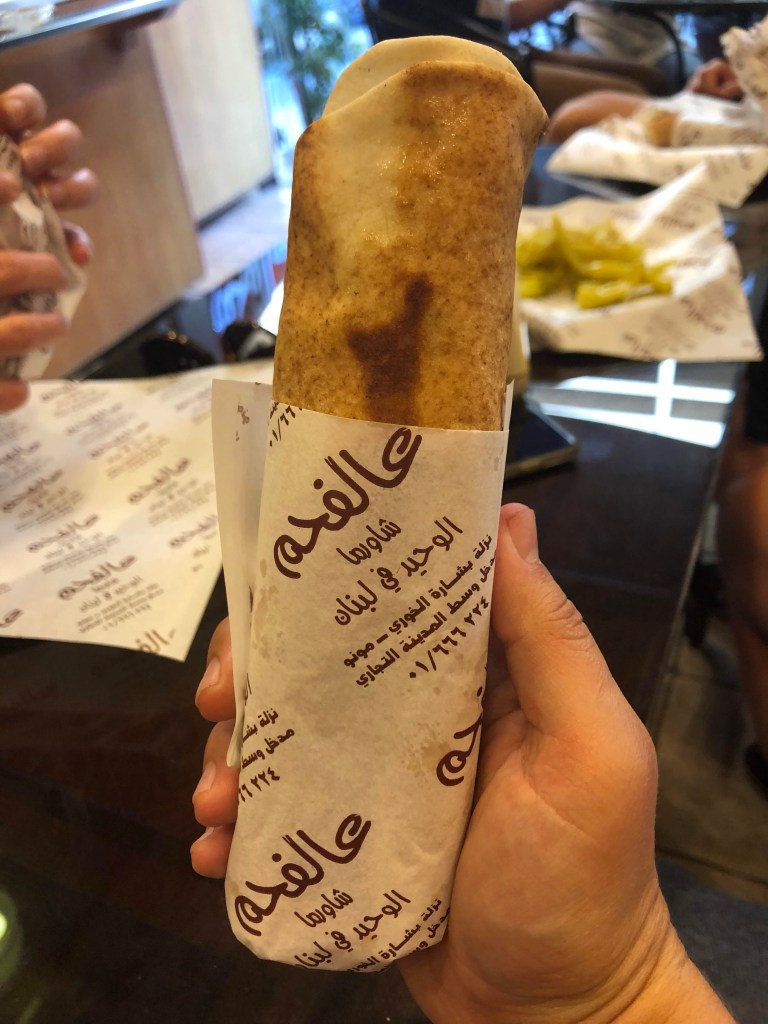
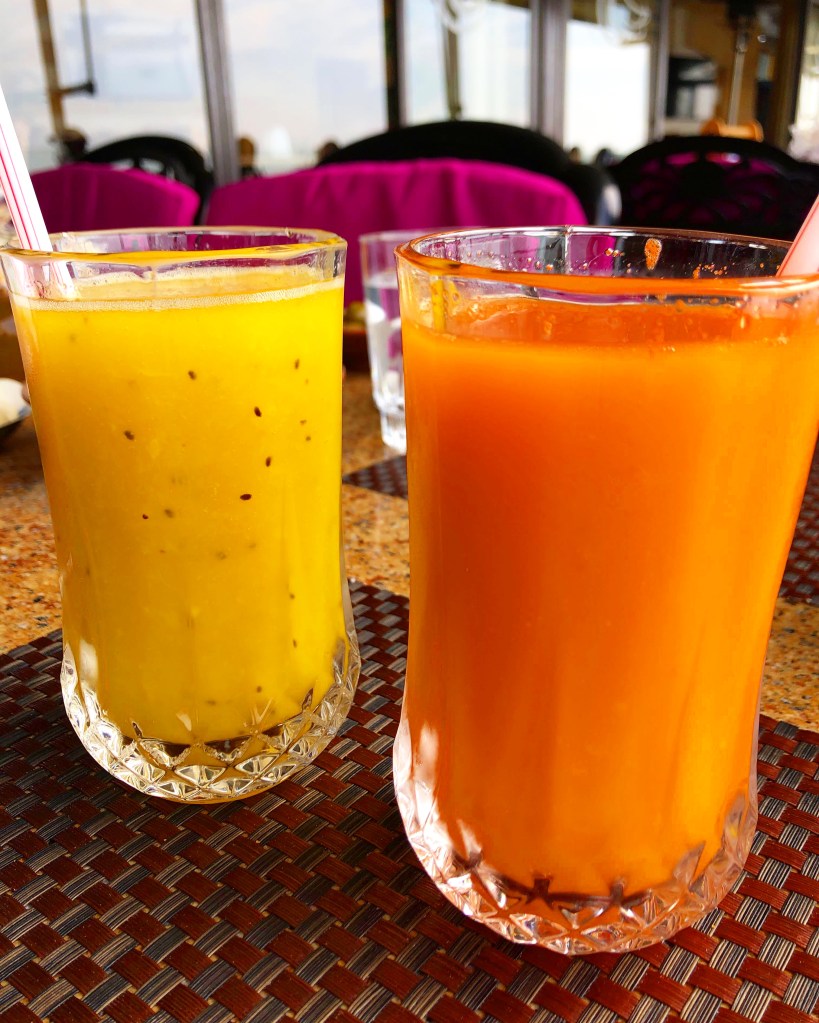
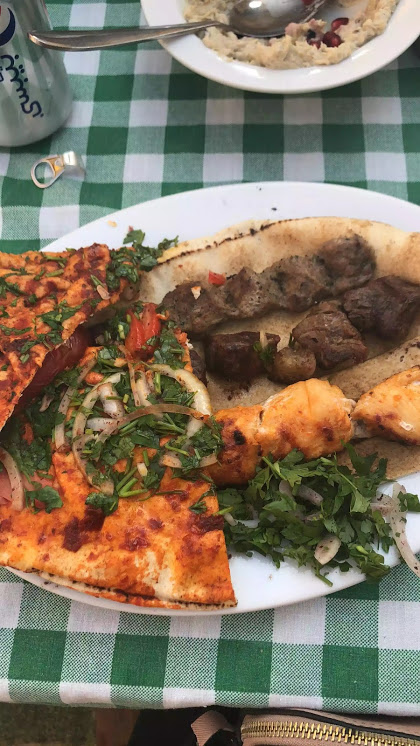
Th last section before we get into the itinerary, but certainly not least, is the world renown Lebanese food. This is arguably one of my favorite aspects of my visits to Lebanon. The food here is some of the most delicious food in the world. There are world famous dishes that you probably already know and love, such as baba ghanouj, falafel, hummus and schwarma. And then there is so much more. They have a typically Lebanese dish called manaeesh, or man’ousheh, which is similar to a pizza. They top it with za’atar, thyme, cheese, or minced meat. You can eat them for breakfast, lunch, dinner or snack and they are a must try. They also have mezze, which is comparable to the Spanish tapas, usually small, flavorful dishes to accompany drinks. The list of traditionally Lebanese foods you can try while you are there is not short: labneh, kibbeh, kofta, grilled halloum, tabbouleh, tahini, baklava, and the list goes on. They also have wineries in the Beqaa Valley where they make their own delicious local wines. No matter what type of foodie you are, there is something delicious for everyone in Lebanon.
Beirut- the Paris of the Middle East
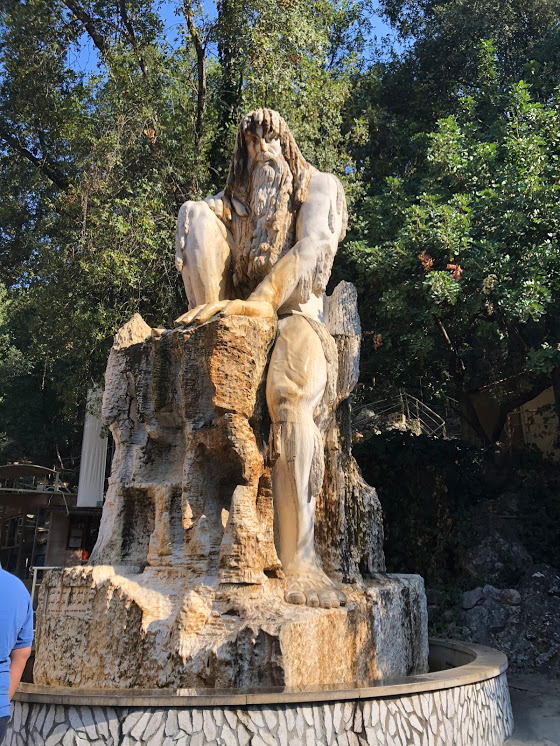
Your first stop in Lebanon, and likely your home base on your Lebanon adventure, is going to be the capital city of Beirut. Beirut is a cosmopolitan, modern, chaotic city that will not leave you with a lack of things to do. Before the Civil War began in the 1970s, it gained the nickname ‘The Paris of the Middle East.” It was considered an intellectual and cultural hub, that drew thousands of tourists from all corners of the globe. The city is largely divided up into different neighborhoods, with each one giving you unique vibes and activities.
Neighborhoods of Beirut
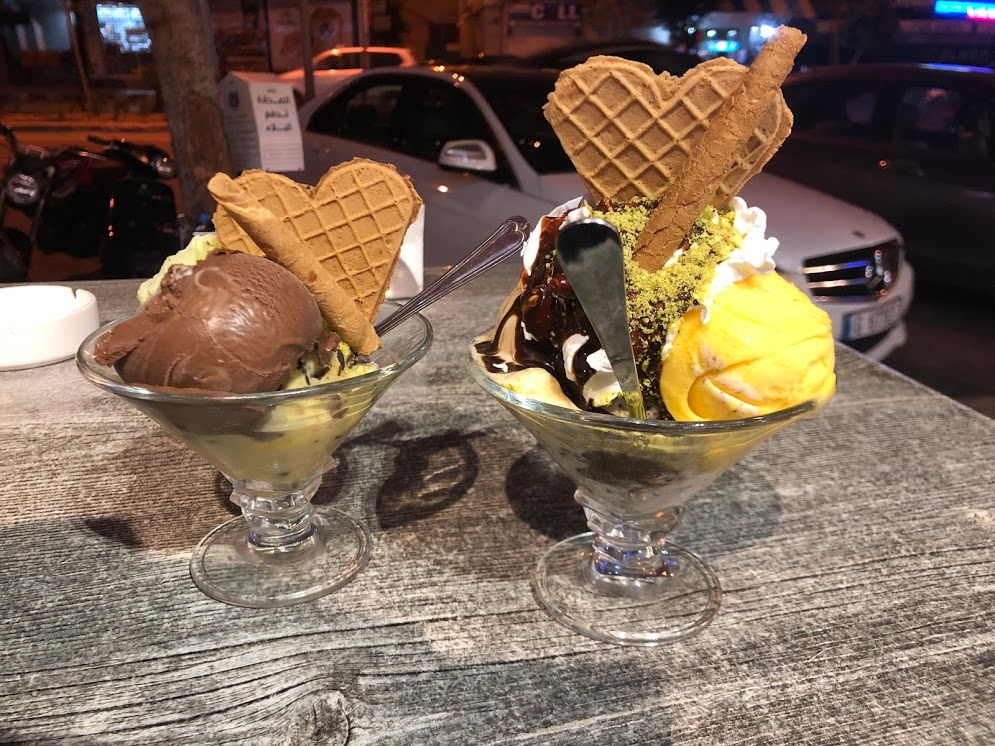
- Mar Mikhaël– this hip neighborhood is swarming with young people on Friday and Saturday nights, with a strip of bars and restaurants, this is the perfect place to hang out and grab a drink or a bite to eat with some friends. For live music and a laid back vibe, try Radio Beirut or for some Instagram vibes paired with delicious rolled ice cream, check out Booza.
- Gemmayzeh– This neighborhood is just west of Mar Mikhaël, and has similar hip vibes. Check out the famous St. Nicholas Stairs, or explore their many delicious restaurants and bars.
- Achrafieh– Achrafieh is a quaint neighborhood in east Beirut with plenty of nice shops and restaurants, as well as a quiet residential area. If you are in the neighborhood, make sure to check out the National Museum of Beirut. The entry cost is 5,000 LL and it is well worth it as this museum houses many important artifacts and cultural pieces related to Lebanon’s history. Of course you cannot leave Achrafieh without trying the famous ice cream shop Hanna Mitri. This shop serves arguable the most famous and delicious ice cream in Lebanon.
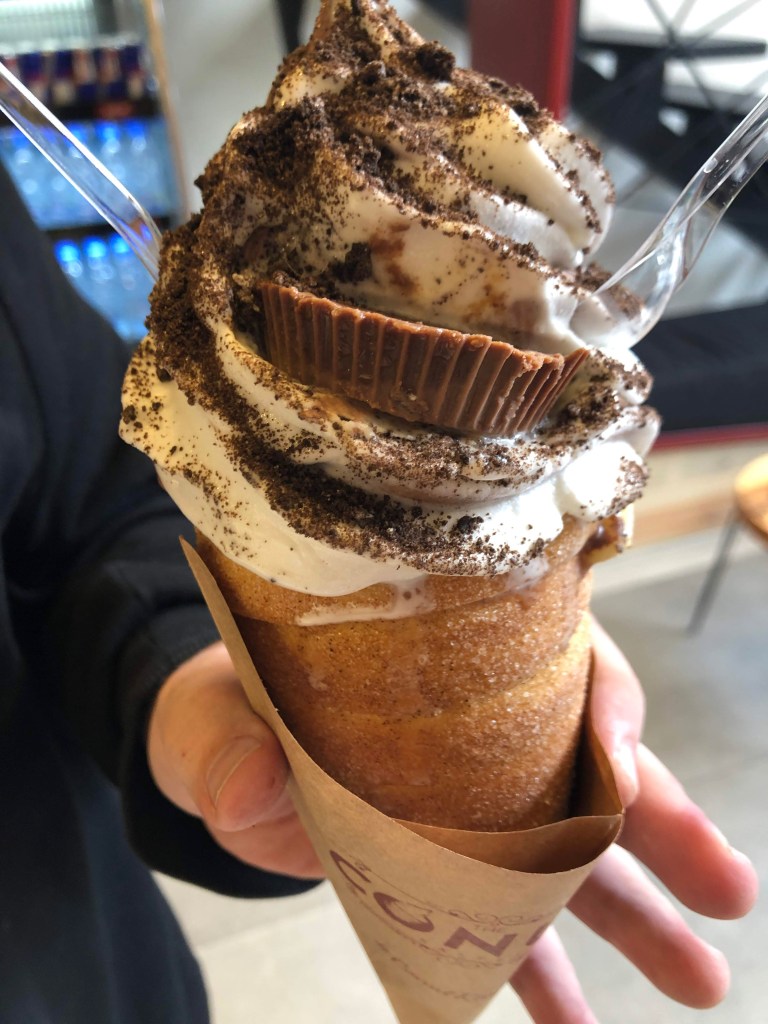
- Hamra– this is perhaps the most hip neighborhood in Beirut, home to the famous American University of Beirut (AUB.) Here you can find unlimited restaurants and dessert shops. If you have a sweet tooth like me and want to try something unique, checkout The Conut Bakery. If you are able to get access through AUB’s security, take a walk around the beautiful campus.
- Bourj Hammoud– Bourj Hammoud is one of my favorite neighborhoods in Beirut. It is farther east, and is home to a large population of Lebanese Armenians. When you are in this neighborhood, you might begin to think you are in Armenia! Signs, restaurants, schools and churches are all written in Armenian, and Armenian is widely spoken as Lebanese Armenian’s first language, or what they use at home and within the community. Take an afternoon to walk around and explore the streets, and make sure to stop by Basterma Mano, a delicious chicken or beef shawarma.
- Downtown– After the Lebanese Civil War ended in 1990, the downtown area was completely destroyed. Nowadays, it has a cosmopolitan, new feeling to it. The historically famous “Beirut souks” have been replaced by high scale, luxury commercial shops, restaurants and entertainment. Take a walk around, and don’t miss the stunning Mohammad Al Amin Mosque. You are able to take a free tour and they offer abayas (covering cloaks) for women, as you need to be covered to enter a mosque.
- The Corniche- The Corniche is a must see when you are in Beirut. It is not so much a neighborhood, but a long Mediterranean Seaside promenade that runs for nearly 5 kilometers along the coast. Here you can find many restaurants and cafes, and if you continue southward, you will run into the famous Raouche Rocks. You can spot locals enjoying the evening from couples strolling the Corniche, to men sitting in a plastic chair smoking Argileh (Hookah or Shisha as it’s called in other parts of the world.)
*This is not an exhaustive list of neighborhoods in Beirut, and I suggest getting out there and exploring the city!
One to Two Week Itenerary
I belive that one could explore Lebanon for months, but if you are on a restricted time schedule, a week should give you plenty of time to see the main attractions in the country. I had one week in November 2018 and then another week in March 2019 because I loved it so much. Here are some of the top ideas for your Lebanon itinerary. You may not have time to do them all, or not have an interest in certain items but Lebanon has plenty to offer for all types of travelers:
*This is not an exhaustive list. These are some of the spots that come highly recommend but step outside of the box and explore other areas as well!
- Baalbeck Roman Ruins
- Jeita Grottos
- Tripoli
- Byblos
- Harissa
- Anjar
- Tripoli
- Batroun
- Tyre
- Sidon
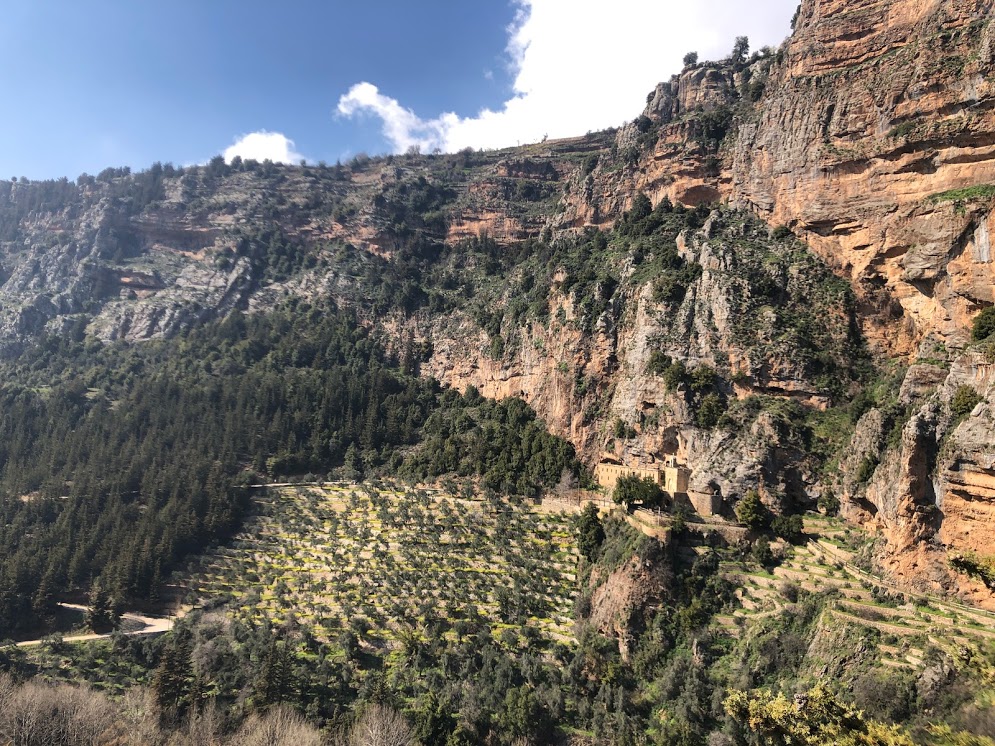
- Kadisha Valley
My Itinerary
Below, I have laid out a week’s itinerary and the order in which I did things. Since I had two separate weeks, I tried to compile a comprehensive itinerary that encompassed the best of what I did in each of the weeks. Feel free to simply use this as a guideline to develop an itinerary that fits your individual needs and interests.
Because I was solo and had never been to Lebanon before, I booked three separate day tours from Beirut over the course of my week in Lebanon. After returning the second time, I didn’t think the tours were as necessary, but to each their own. Tours are stress-free way to see multiple sites in one day, become integrated into a culture you are new to, and not have to worry about transportation or meals. I used the company Nakhal (linked here) and I found each tour quite great!
Day 1: Tripoli and Batroun
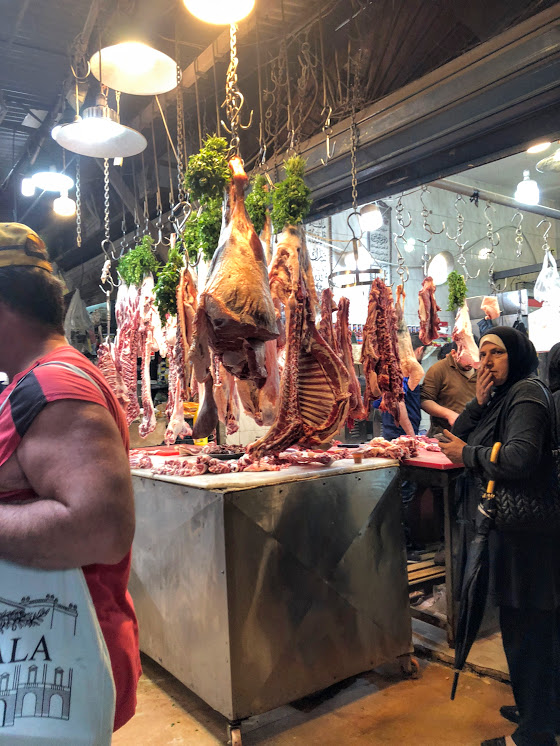
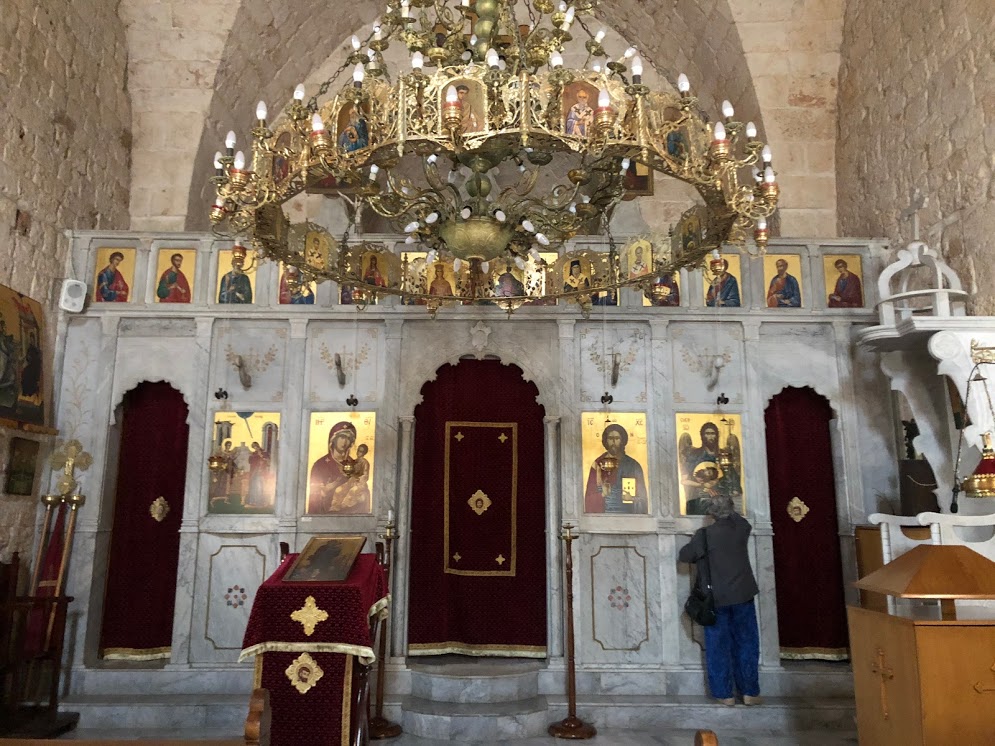
On this first day, I took the Tripoli and Batroun Tour which picked me up from my hostel, and took myself and a few other people up to the north of the country. Although Tripoli (Actually called Tarabulus in Arabic) is the second largest city in Lebanon, it has nearly one million less people than Beirut and is far less developed and more conservative. Our tour guide brought us to the Tripoli Souks, a chaotic and lively local market which boasts an impressive selection of meats, produce, and other products, particularly handmade soap, which Tripoli is famous for. We spontaneously were able to see some old Roman Baths, shown to us by a local, and we had a delicious traditional Lebanese lunch at a local restaurant.
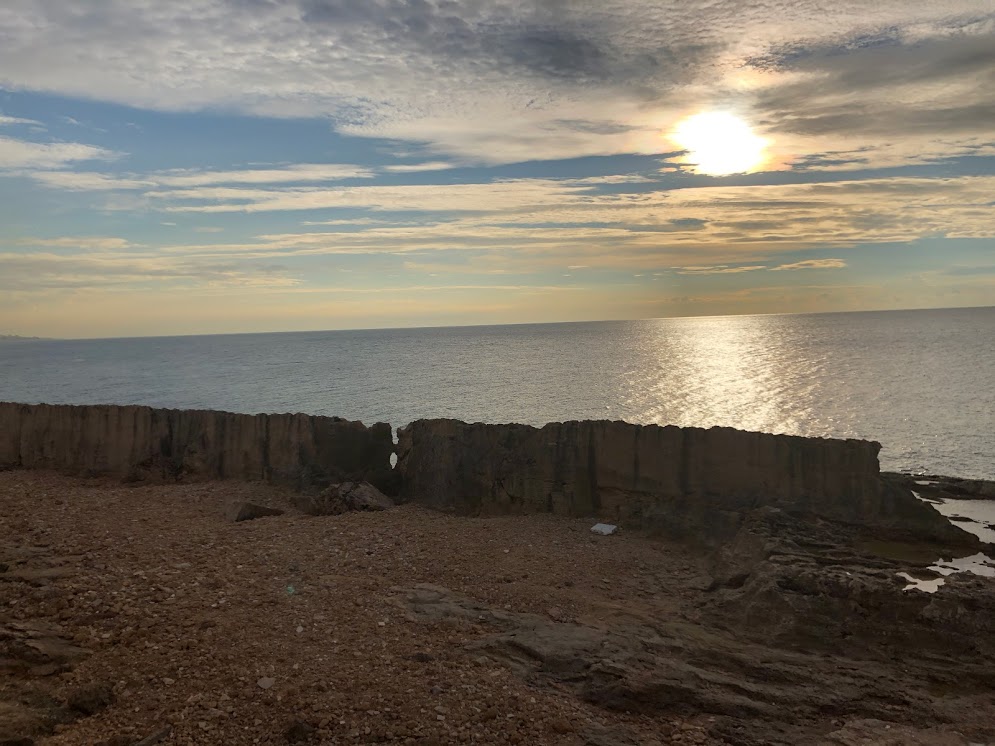
After spending a few hours exploring Tripoli, we made our way to Batroun, a quaint sea village, famous for it’s history (thought to be one of the oldest cities in the world,) its churches and the ancient seawall, built in Phoenician times as a form of protection. We then went to Hilmi’s House of Lemonade, which is a famous lemonade shop in Batroun that has been making and selling fresh lemonade since 1888. After we cooled off with our lemonade, we began our journey back to Beirut. Overall, the tour was roughly 10 hours, included a fully guided tour, lunch, and pickup/drop off from hostel.
If you are more of an adventure traveler and fancy getting to Tripoli without a tour, you can catch a bus (Connexion bus) or minivan from Charles Helou bus station in Beirut, and it will drop you off in Tripoli. For the way back, head to Al Nour Square where a bus will bring you back to Beirut. Because I did not actually take this journey, I do not know the details of price and timing, but via word of mouth I heard that the last bus leaves at 6 pm and the price should roughly be $3-5 each way.
Day 2: Exploring Beirut
On Day 2, I was very excited finally have some free time to explore Beirut. One travel app that I cannot speak highly enough about is Couchsurfing. Many people associate the app with the feature where you spend the night on a local’s couch, but not many people know about the second component to the app: Hangouts. With this option, you are able to open your profile up as available to hangout, and from there, you can then see all of the other Couchsurfers near you who are looking for people to hang out with as well. I spent this first day walking around with a local who I met on the app, who showed me all over the downtown area, told me all about Lebanese culture, the history of Lebanon and Beirut, and even took me to a local and delicious falafel restaurant in Beirut. I ended up hanging out with him several more times throughout my week in Beirut and having that local interaction and knowledge really was one of the key reasons why I was able to see Lebanon is such an authentic way and fall in love with the country. For the most part, the app is very safe, as people are able to rate other couchsurfers based off of interactions with them, and the app takes special steps to verify the identity of its users.
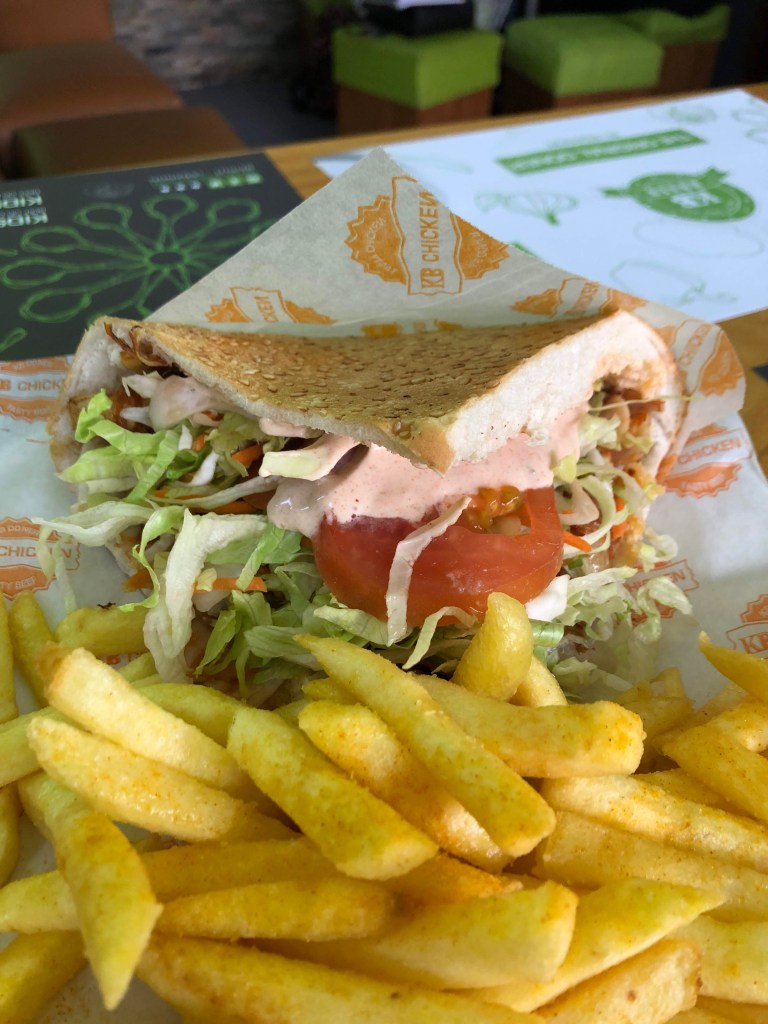
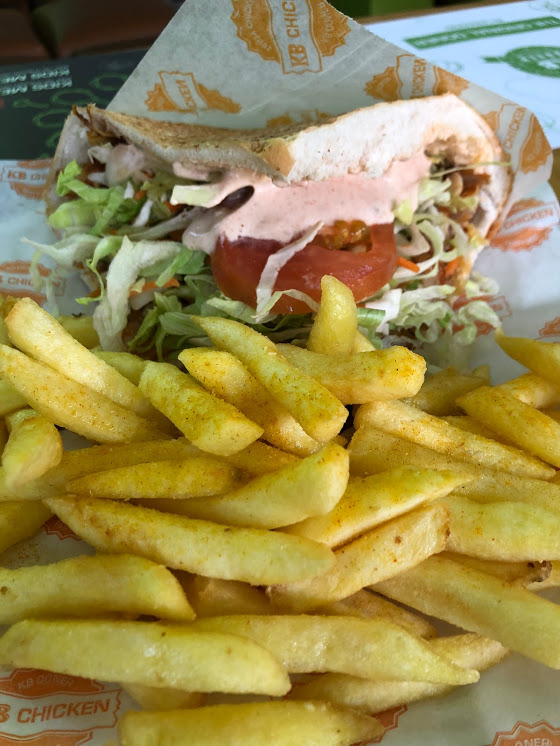
Aside from touring the city with the couchsurfing local, I also had lunch in Hamra at a small Turkish restaurant called KB Doner, and then spent the majority of my time walking around Beirut. This is one of my favorite activities to do in any place I travel, as it allows you to see the city at your own pace, and explore and discover hidden gems that you just so happen to stumble upon.
Day 3: Walking Tour of Beirut
On this morning, I slept in, and when I woke up I took an Uber to the St. Nicolas Steps in Gemmayze to go on a walking tour of Beirut called Alternative Beirut. I highly recommend this walking tour if you want to get into the nitty gritty details of Lebanon and Beirut’s deep and complex histories and how they have shaped modern politics. It is $20, which may be a bit steep for a backpacker on a shoestring budget but if you have the time and the money, I think it was very valuable and worth the money. The tour ended early afternoon, and I went back to my hostel to relax for a bit before I went out again with a local couch surfer and got dinner, explored the mountains just outside of Beirut, and went to Byblos, which is an absolute must see historic coastal town (which I will go into more detail on Day 4.)
Day 4: Tour of Jeita Grotto, Byblos, and Harissa & Beirut Nightlife
This day was another one of my “tour days” and the tour I booked was also through Nakhal, called Jeita, Byblos, and Harissa. This was a really great tour because it took us to 3 of the most raved about sites in all of Lebanon. After being picked up from our hotels, we headed up to the Jeita Grottos, which are just outside of Beirut. These grottos are some of the most beautiful in the world, and were even nominated to become one of the 7 wonders of the world. You are not allowed to take photos inside, but these caves are phenomenal. The first cave is a self guided walk through, and after this one you take a tram to the next cave which is on a boat. Even if you choose to skip the tour and head to the caves on your own, I encourage everyone not to skip this one.
After we finished up at the caves, we headed over to Byblos, (or Jbeil as the locals call it,) which is one of the oldest inhabited towns in the world. This town is a UNESCO World Heritage Site and the ruins that they have are just amazing. On this day, we took a walk through the old Souk, walked along the harbor, and explored the ancient ruins at Byblos Castle. When I came back to Lebanon for the second time, I loved Byblos so much that I decided to spend a night with a friend here at Byblos Sur Mer, a beautiful hotel overlooking the Mediterranean Sea.
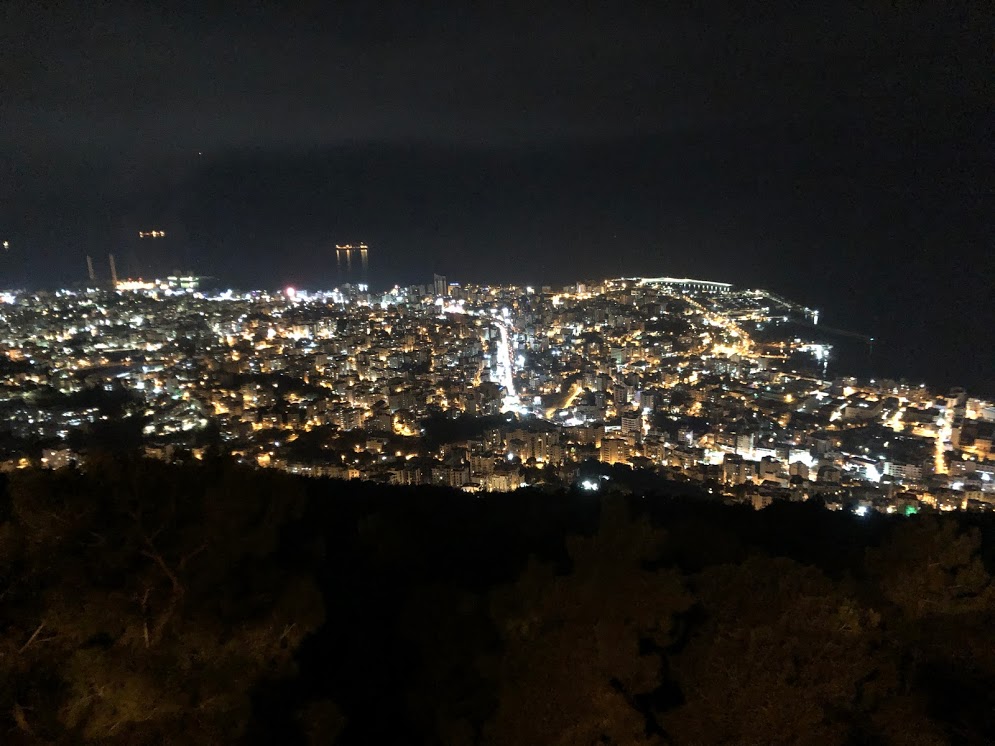
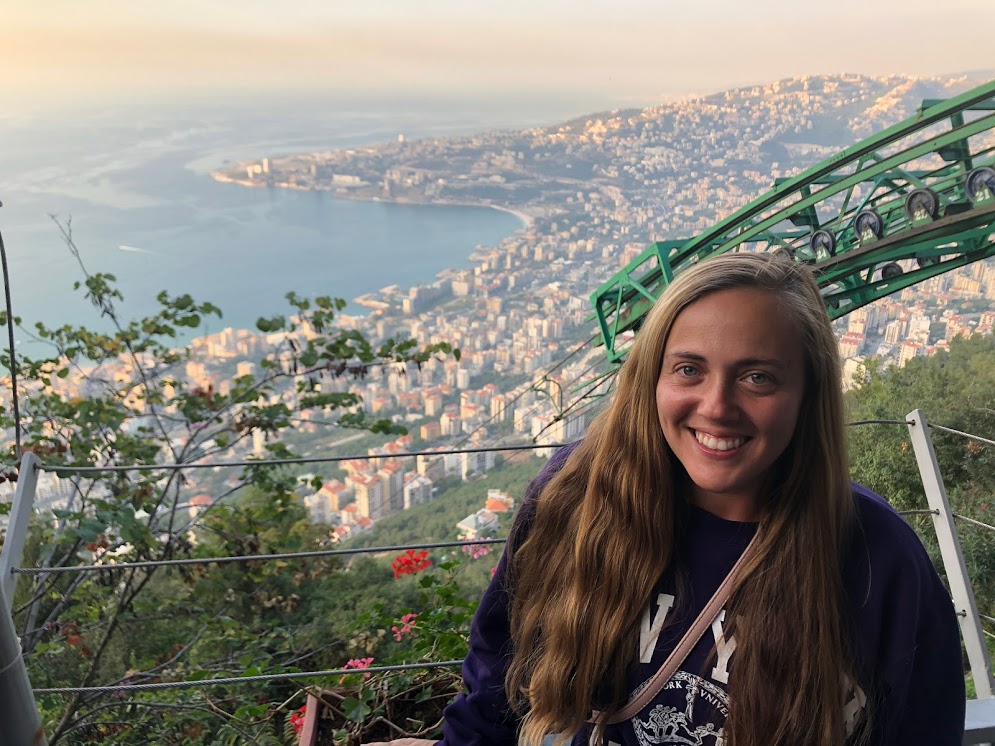
After lunch, we set off for our last stop of the tour: Harissa. Harissa is a small village high in the mountains, about 30 km north of Beirut. Harissa is famous for the ‘Our Mother of Lebanon’ shrine, a very popular pilgrimage site for Christians. While you are able to drive to Harissa, the more adventurous and fun option is to take the 10 minute cable car ride, called Téléphérique, up. The views once you reach the top are simply stunning, as you are high in the mountains. Spend a few minutes simply taking in the view before heading over the see the religiously important Mother Mary shrine.
Once again, I did all of this as a tour. If you prefer to travel to Harissa solo, I have not done it myself, but I’ve linked an online forum HERE that gives a few options for public transportation to Harissa. This is also a great time to take a look at Couchsurfing, as I made friends with a local on the app and we went up in their car to Harissa for a second time. The tour was quite enjoyable but it’s also an amazing idea to meet and interact with some locals for their own unique take on these famous sites.
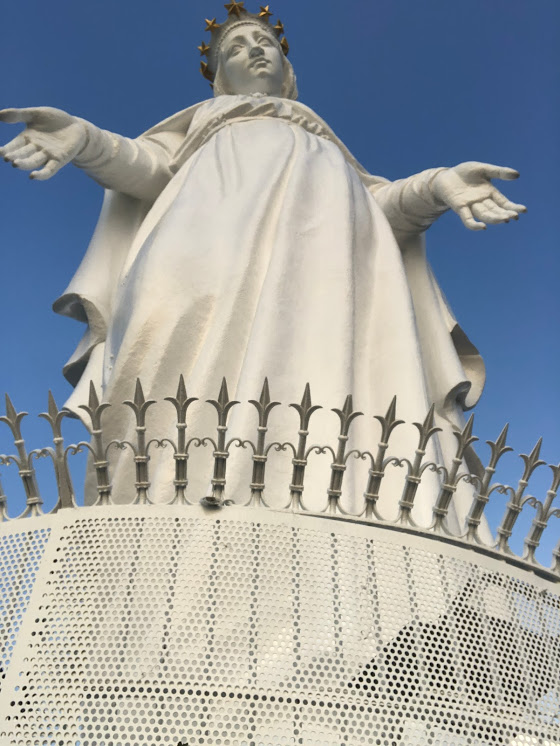
Right: The lady herself, Our Lady of Lebanon
After the tour bus dropped me off at my hostel, I spend a few hours grabbing dinner, relaxing and then getting ready for a fun night out in Mar Mikhaël, the fun hip neighborhood where you can find several chill bars. For my first stop, I went to meet up with the girl who I sat next to on the airplane over. Seriously! She was so interested to find out why an American solo female was traveling to Lebanon and when I told her it was solely for touristic purposes, she excitedly gave me all of her best recommendations. We exchanged numbers and she invited me out to get drinks at a cool rooftop bar in Gemmayzeh called Coop D’etat with her and her friends. They were all working professionals, and I was in awe of how sophisticated they were, easily switching between fluent French, English and Arabic. After we all left, I met up with some girl friends I made while on the walking tour in Beirut a few days prior, and we all spend a few hours at Radio Beirut, sipping cocktails, chatting and listening to the live music. I am not exaggerating when I say I arrived in Lebanon completely alone and met so many friends quickly and easily. I almost had to manage my time better due to the high volume of plans I was able to make with both locals and travelers alike! This was on a Thursday and the streets were filled with people, from young Lebanese groups of friends to travelers and backpackers in Beirut. It was a really great vibe and I would highly recommend to anyone who wants to see what the Beirut nightlife is to check out this lively street (Armenia St.) in Mar Mikhaël.
Day 5: More Beirut Exploring
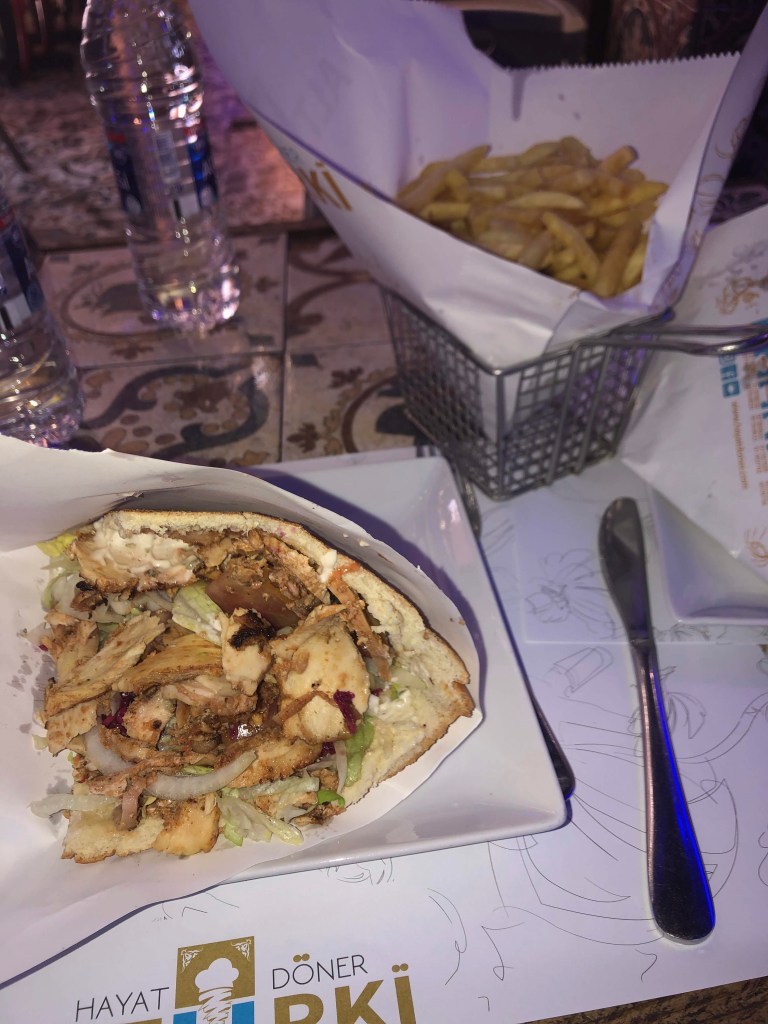
Today was another day to explore Beirut. On this morning, I met up with another solo female traveler Kiwi (New Zealand) who I connected with on the Couchsurfing app (the one I’ve told you a few times is a great travel tool!) We walked along the Corniche, got some fresh juice, and went to Sanayeh Park, where we laid out on a picnic blanket, and just enjoyed being outdoors and people watching. On a day like this where you are exploring Beirut, check out Alturki Hayat Doner, a delicious Turkish restaurant in the neighborhood of Mazraa. After having the chance to explore Beirut twice, it is quite obvious to see there are definitely many Turkish influences in the country, most likely because A) Lebanon was part of the Ottoman Empire, and B) The close proximity to Turkey. You can find everything from Turkish food, to entertainment (music and movies), to Turkish clothes in the clothing shops. At Altuki, try a delicious doner wrap, or a specialty yogurt drink called Ayran. Delicious!
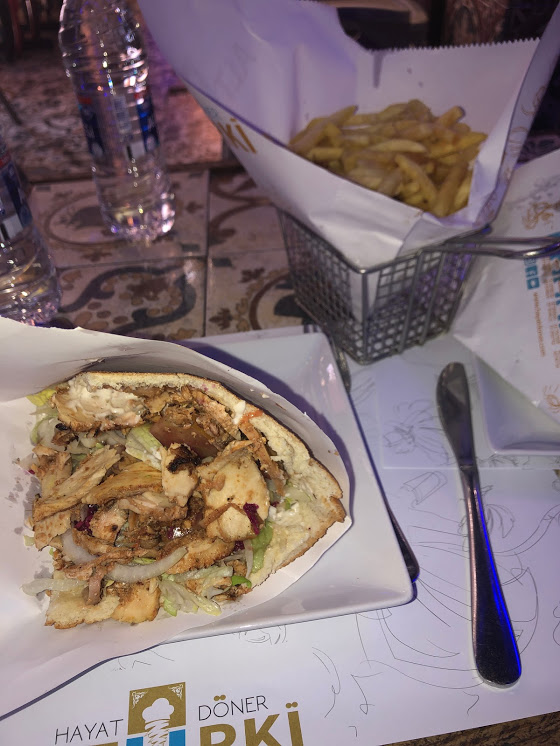
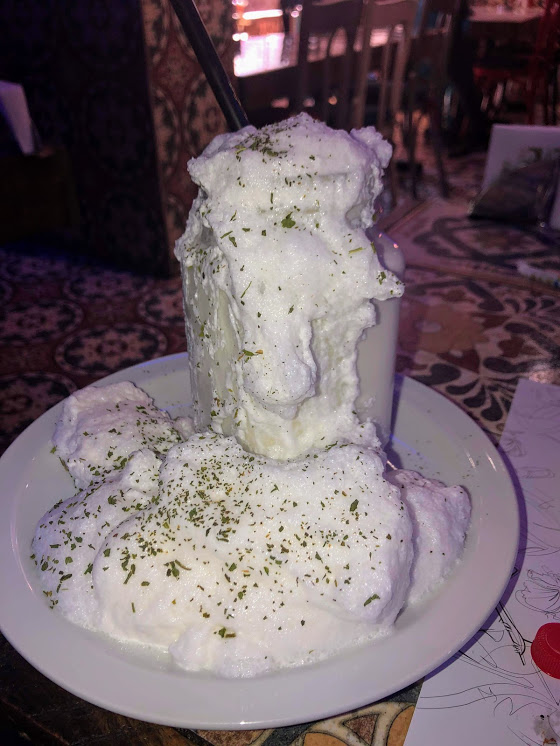
Right: The famous Turkish Ayran yogurt drink
Day 6: Baalbek, Anjar and Ksara
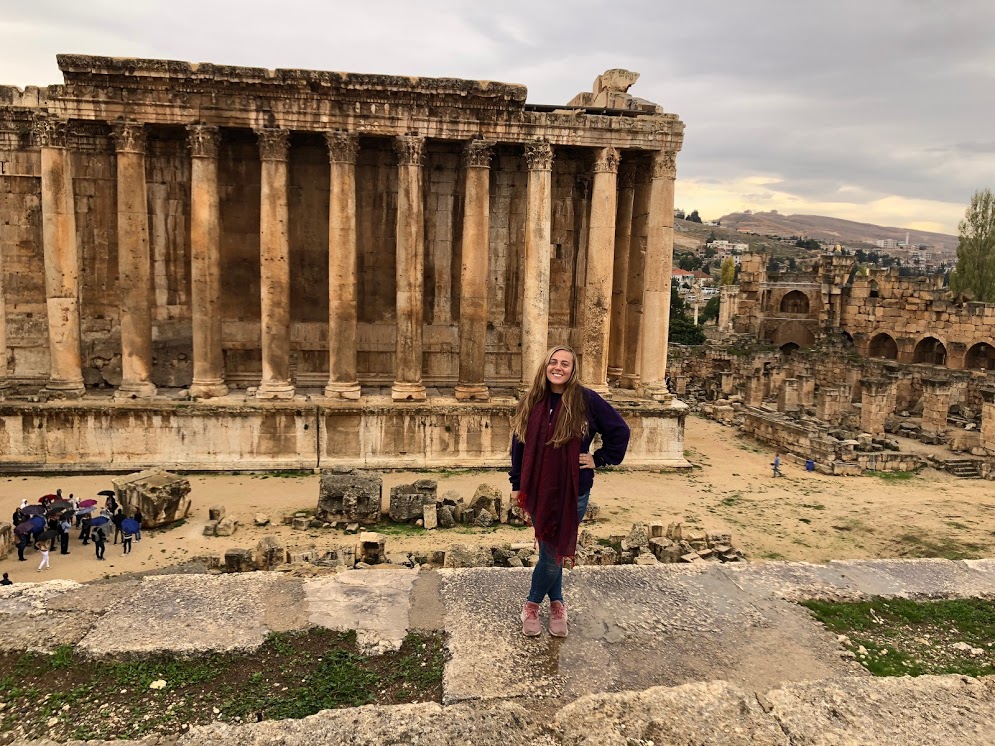
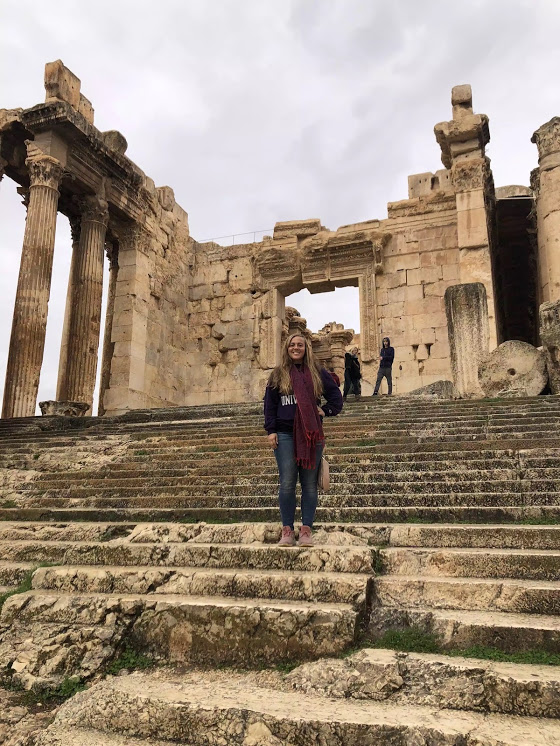
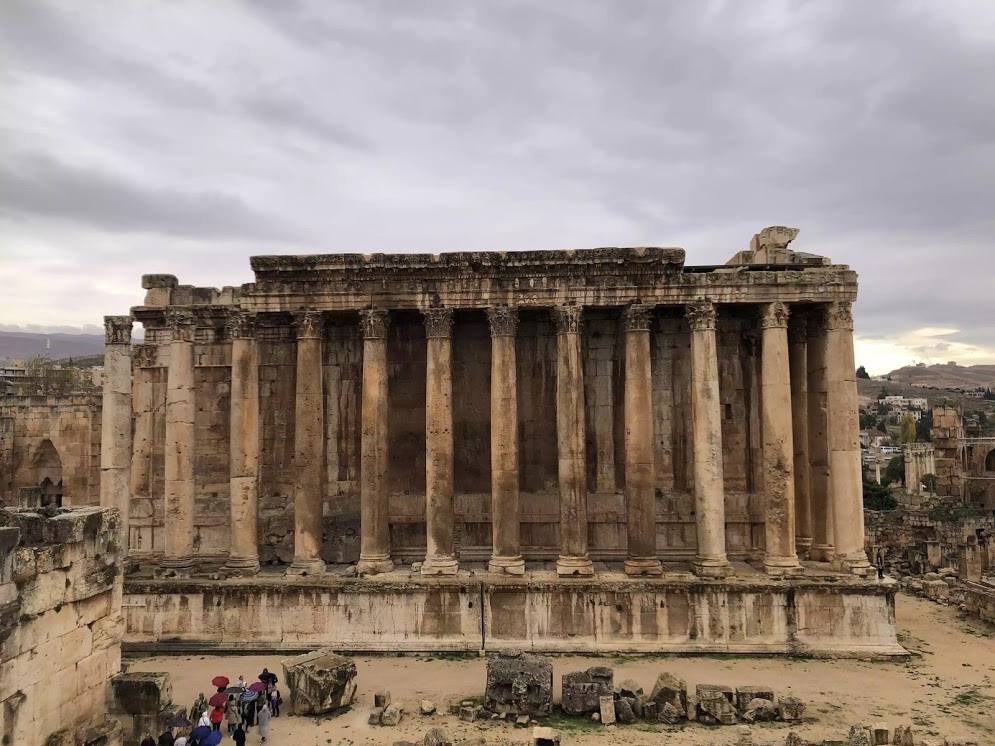
On this day I took my third and final tour with Nakhal Tours. Today we went into the Beqaa Valley to explore more of Lebanon. The Beqaa Valley is one of the most beautiful regions in Lebanon, home to many ancient Roman Ruins, as well as famous for agriculture and wine vineyards. On this tour, our first stop was Anjar. Anjar is a tiny village whose claim to fame are the very well preserved roman ruins, which are considered a World Heritage site. Our guide walked us through the ruins and gave us a bit of historical background before we loaded up in the bus and headed on to the main attraction of the tour: Baalbek.
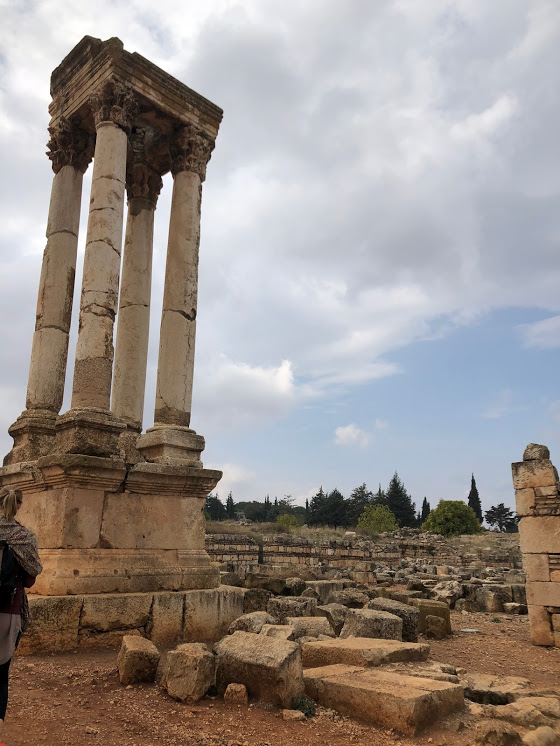
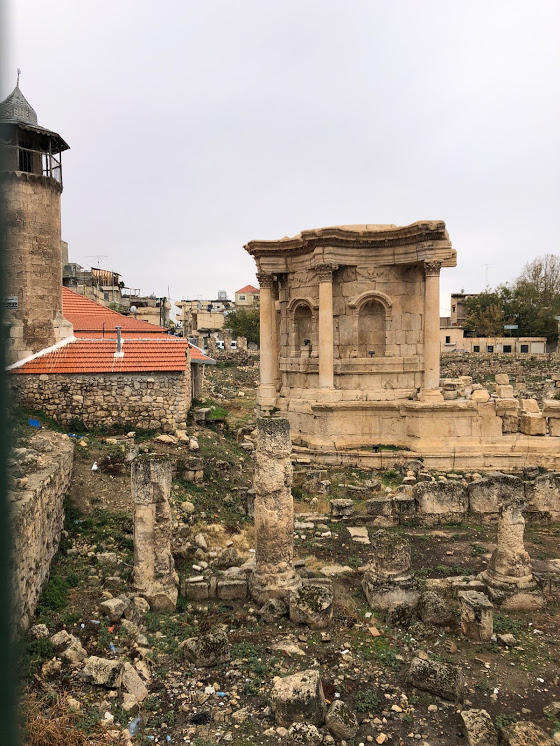
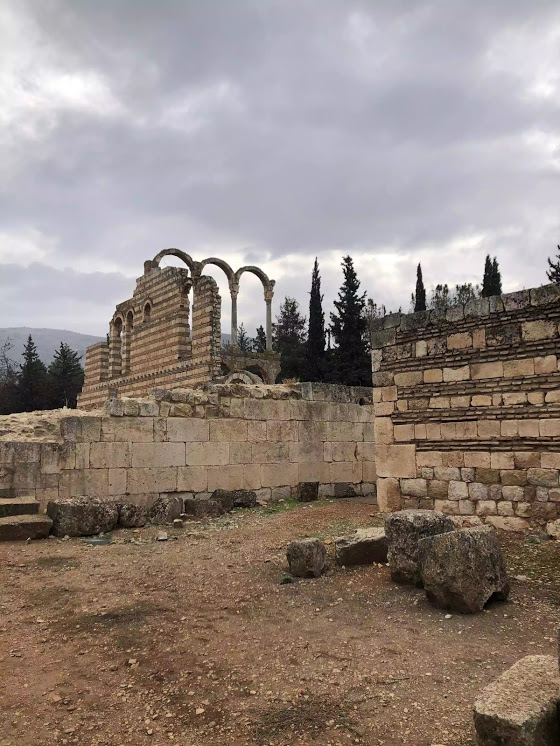
About an hour’s drive North from Anjar, we finally made it to Baalbek. On many travel advisory websites, you may notice that Baalbek and other parts of the Beqaa Valley, especially close to the Syrian border, are often deemed as “not advisable to travel.” Baalbeck is quite close to Syria, and is the capital of Hizbollah. Hizbollah, in case you missed it, is a Shia armed militant political group deemed a terrorist organization by most governments. They are back heavily by Iran and are fighting alongside the Assad regime in Syria. With all of this being said, I highly advise you read your country’s travel advisory, do your own research, and make your own decision. My personal opinion and experience is that Baalbek is very safe, especially if you are on a tour. I did meet a few solo travelers who had gone to Baalbek and said they felt safe as well. I personally feel like Baalbek is one of the most fascinating spots in Lebanon and that it would be a real pity to miss it.
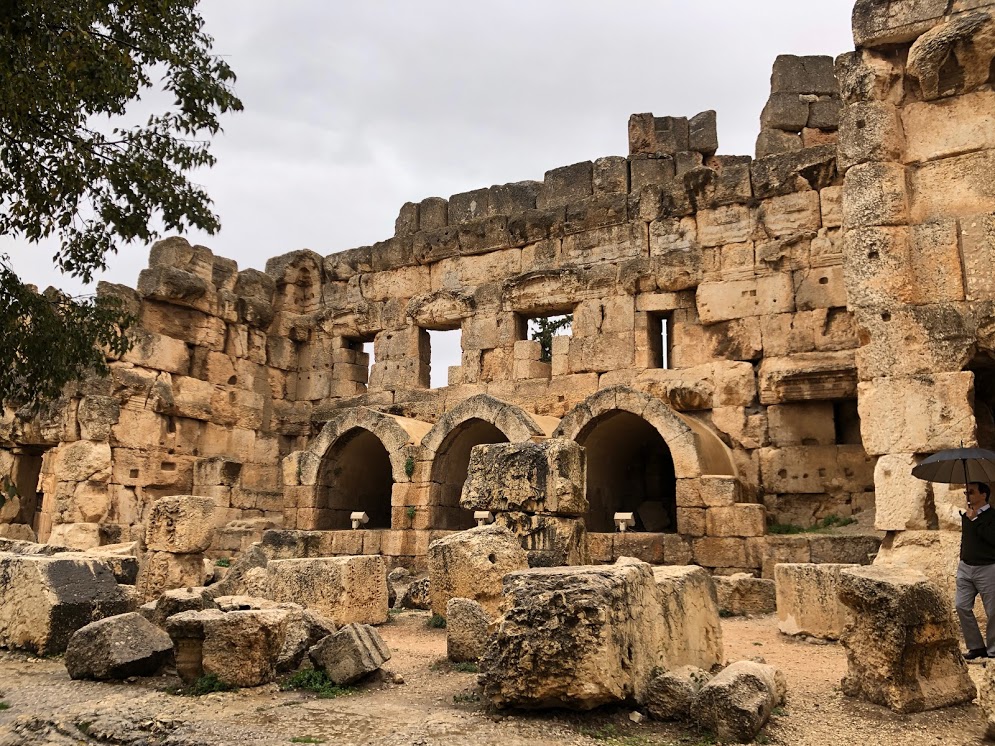
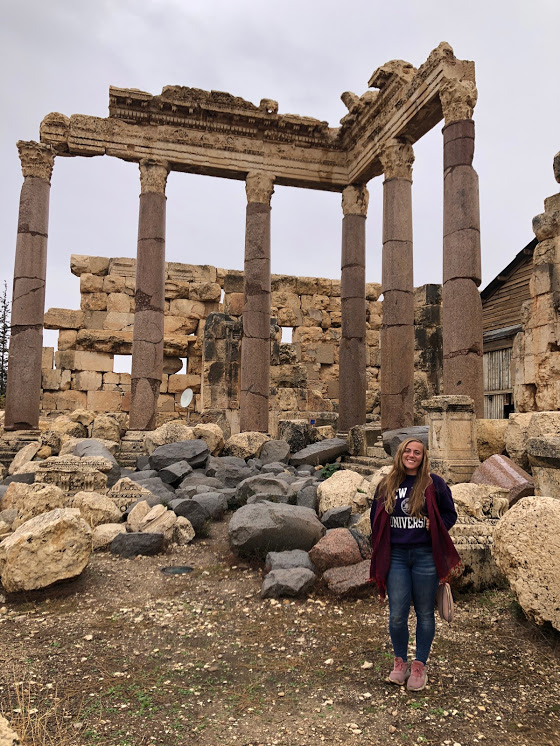
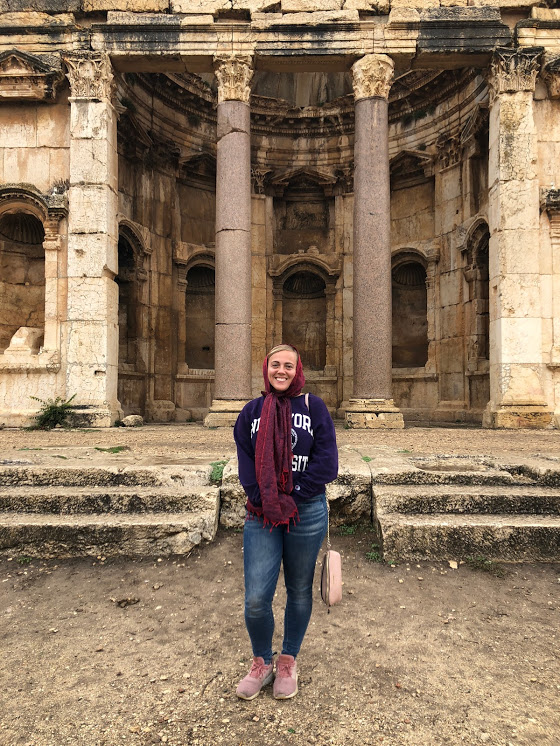
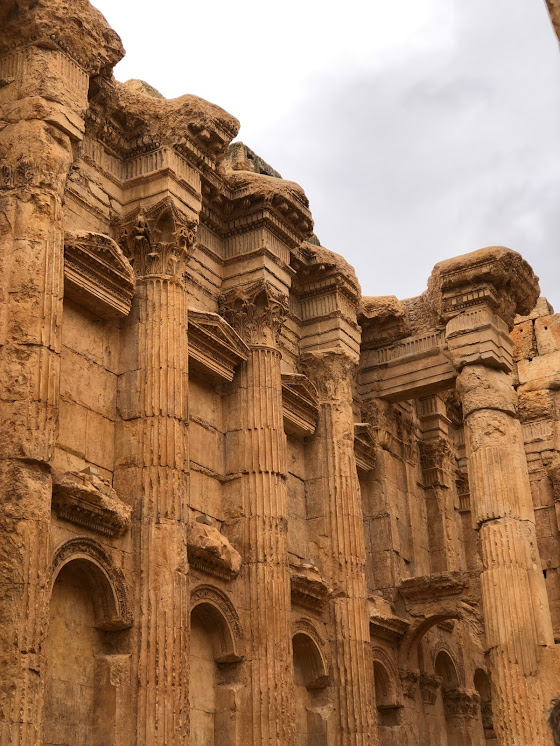
The last stop of the day was to Ksara. Amongst Lebanon’s hidden gems are the vineyards and wineries in the Beqaa Valley. Chateau Ksara is the oldest winery in Lebanon and the wine produced here can be found in countries all over the world. At this stop, we toured the winery, got a history of Chateau Ksara, and the best part: we got to partake in a wine sampling at the end. This was such a nice and unique experience to end the day, and it gave more of a glimpse into just how diverse Lebanon is.
After the tour, I was dropped off at my hostel. I went out with some of my friends I had made during my short but lovely week in Lebanon. I spent my last day really just relaxing and hanging out with friends and sadly that night I made my way to the airport to head to my next destination. I had traveled to several countries before that, many of them solo, but leaving Lebanon felt different. That country, as cheesy as it may sound, changed me. To this day, I still think about it daily! I would love to experience living there, even if just temporary, so that I can continue to explore and get to know this beauty country that I’ve fell in love with.
One of the reasons I decided to start writing blogs about my travels was to help give other travelers tip and helpful information. But for Lebanon in particular, if anything, I hope this blog at least helps peak some interest in this under-explored destination. Maybe someone who would have never dreamed about visiting the Middle East, or doesn’t know much about the Lebanon will read this and at least do a little bit of curious Googling. My favorite thing to do is tell other people about lovely places like Lebanon and see the surprise on their face when I say how they should visit. Always be challenging your ideas and concepts of places around the world, you may be surprised at what is shown through media, and what is your lived reality on the ground.
This was a quite long read, but I hope I covered everything in what you would need to plan a trip to Lebanon! I will update it as I remember more details or think of other important information. For more pictures, questions or information about Lebanon or other destinations I’ve been to, check out my travel Instagram @emilystraveladventures!
 emily's travel adventures